
Month: December 2025

Understanding How an Aerobika Device Helps Improve Mucus Clearance

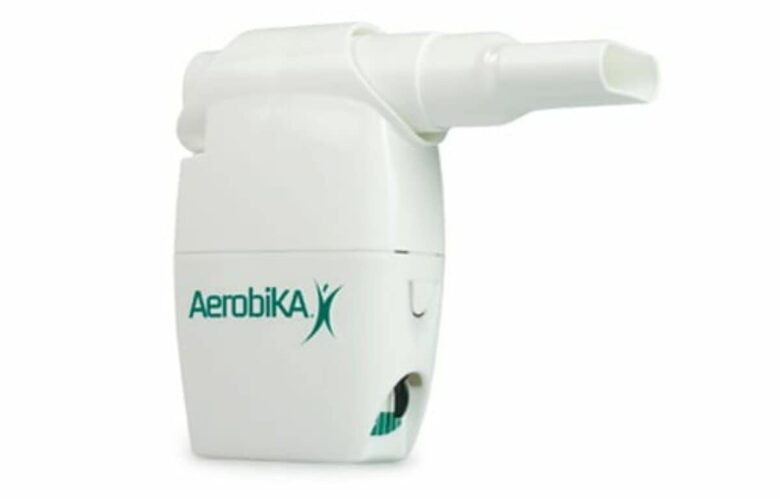
Aerobika device

What Are the Benefits of Using an Aerobika Device for Mucus Clearance?

The Aerobika device offers a drug-free solution for improving mucus clearance in people living with chronic lung diseases. This handheld respiratory tool uses oscillating positive expiratory pressure technology to help clear airways and reduce breathing difficulties.

Individuals with conditions like COPD and bronchiectasis often struggle with excess mucus buildup, which can lead to frequent infections, breathlessness, and reduced quality of life. Understanding how an Aerobika device helps improve mucus clearance becomes essential for managing these challenges effectively.

The primary Aerobika device benefits include:

  • Enhanced breathing capacity through improved airway clearance
  • Reduced frequency of COPD flare-ups and respiratory complications
  • Better exercise tolerance as airways remain clearer
  • Decreased episodes of breathlessness during daily activities

This portable device provides a practical approach to respiratory therapy that patients can use independently at home. The technique requires no medication, making it an attractive option for those seeking to minimize pharmaceutical interventions while maintaining effective mucus clearance routines.

How Does an Aerobika Device Work?

The Aerobika device uses a technology called oscillating positive expiratory pressure (OPEP) to help clear mucus from the lungs. Here’s how it works:

  1. Exhalation with Resistance: When you breathe out through the device, it creates resistance against your breath. This resistance generates positive pressure in your airways, keeping them open during the breathing process.
  2. Internal Valve Action: Inside the device, there is an internal valve that interrupts the airflow as you exhale. This interruption creates rapid changes in pressure.
  3. Vibration Generation: The pressure changes caused by the valve’s action produce vibrations that travel through your airways and into your lungs. The frequency of these vibrations typically ranges between 12 to 35 Hz, depending on how forcefully you exhale.
  4. Airway Support: The positive pressure generated by the device prevents airway collapse during exhalation, which is a common issue for individuals with chronic lung conditions. It acts like a splint, holding smaller airways open so trapped air and mucus can escape more easily.
  5. Mucus Mobilization: The oscillating mechanism of the device generates vibrations that shake the walls of your airways from the inside. This mechanical action has several benefits:
  • It loosens sticky mucus attached to airway surfaces.
  • It breaks up thick secretions into smaller, more manageable pieces.
  • It moves mucus from smaller airways toward larger ones.
  • It makes coughing more productive and less exhausting.

By combining sustained pressure and rhythmic vibrations, the Aerobika device addresses both airway stability and mucus mobilization simultaneously. This dual-action effect makes clearing mucus more efficient than relying solely on coughing.

What Role Does Mucus Clearance Play in Managing Chronic Lung Conditions?

Mucus clearance serves as a critical defense mechanism in healthy lungs, trapping inhaled particles, bacteria, and irritants before sweeping them out through tiny hair-like structures called cilia. This natural cleaning system keeps airways clear and prevents infections from taking hold.

When mucus clearance becomes impaired, the importance of mucus clearance becomes strikingly evident. In COPD, damaged airways produce excessive, thick mucus that overwhelms the body’s natural clearing mechanisms. The trapped mucus creates a breeding ground for bacteria, leading to frequent respiratory infections and progressive lung damage. Patients experience persistent coughing, increased breathlessness, and a higher risk of exacerbations that can require hospitalization.

Bronchiectasis presents an even more challenging scenario. The permanently widened airways characteristic of this condition create pockets where mucus accumulates and stagnates. This pooled mucus becomes infected repeatedly, causing a vicious cycle:

  • Chronic infection damages airways further
  • Damaged airways produce more abnormal mucus
  • Increased mucus leads to more infections
  • Each infection cycle worsens the structural damage

The inability to effectively clear mucus in these conditions directly correlates with reduced lung function, diminished quality of life, and accelerated disease progression. Effective mucus management becomes essential for preventing complications and maintaining respiratory health.

How Can Using an Aerobika Device Benefit Individuals with Lung Conditions?

The benefits of using the Aerobika device extend across multiple aspects of respiratory health for people managing chronic lung diseases. This drug-free approach delivers measurable improvements in daily breathing and long-term disease management.

Improved Lung Function

One of the main benefits is improved lung function. The device’s oscillating pressure mechanism, which is a type of Positive Expiratory Pressure (PEP) device, helps expand airways and keep them open during exhalation. This leads to better oxygen exchange and less effort required for breathing. Patients often find that they can take deeper breaths and feel less tightness in their chest after using the device regularly.

Specific Therapeutic Advantages

The device also provides specific therapeutic benefits:

  • Reduced frequency of flare-ups in COPD patients, helping maintain stability
  • Enhanced exercise tolerance, allowing individuals to stay more physically active
  • Decreased episodes of breathlessness during daily activities
  • More effective mucus mobilization compared to traditional coughing alone
  • Prevention of mucus buildup that could lead to infections

Understanding How Aerobika Helps Improve Mucus Clearance

To understand how an Aerobika device helps improve mucus clearance, it’s important to know its role in breaking the cycle of mucus accumulation and respiratory decline. The vibrations produced during use reach deep into the lung tissue, loosening secretions that might otherwise stay trapped. This mechanical action works alongside natural clearance mechanisms, making the entire respiratory system more efficient at self-cleaning and reducing the bacterial load that contributes to infections and inflammation.

Using an Aerobika device correctly requires sitting upright with good posture during use to maximize chest clearance effectiveness. The device works best when you maintain a straight back and relaxed shoulders, allowing your lungs to fully expand during the breathing cycle.

Proper Breathing Technique:

  1. Take a deep breath in through your nose, filling your lungs completely
  2. Place the Aerobika mouthpiece firmly between your lips, creating a tight seal
  3. Exhale actively through the device at a moderate, steady pace
  4. Continue breathing out until your lungs feel empty
  5. Remove the device and perform 2-3 controlled coughs to expel loosened mucus
  6. Repeat this cycle 10-20 times per session

Your physiotherapist will adjust the resistance dial on your Aerobika device based on your specific lung capacity and condition severity. This personalized setting ensures the pressure pulses work effectively without causing excessive strain. Most individuals benefit from using the device 2-3 times daily, with each session lasting approximately 10-15 minutes.

The posture during use directly impacts how well vibrations travel through your airways. Leaning forward slightly while exhaling can help target different lung areas, though your healthcare provider may recommend specific positioning based on where mucus tends to accumulate in your respiratory system.
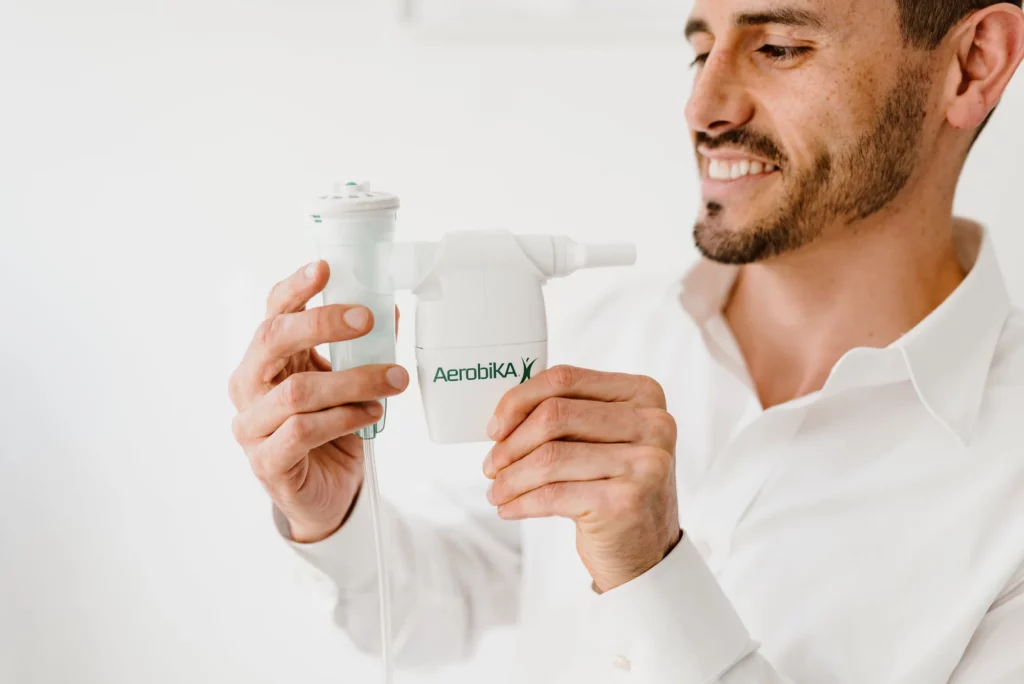
Aerobika device

How Should You Care for Your Aerobika Device to Ensure Its Longevity?

Regular cleaning Aerobika device maintenance prevents bacterial growth and ensures the mechanism continues functioning properly. Daily hygiene practices protect your respiratory health while extending the device’s usable life, which typically lasts 12 months before replacement becomes necessary.

Daily Cleaning Method

Disassemble the device after each use and wash all components in lukewarm soapy water. Rinse thoroughly under running water to remove any soap residue, then shake off excess water and allow the parts to air dry on a clean towel. The device can also be placed on the top rack of a dishwasher for convenient cleaning.

Weekly Disinfection Options

Choose between two effective sterilization methods:

  • Boiling method: Submerge the disassembled parts in boiling water for 5 minutes, then remove and air dry completely
  • Cold sterilization: Use a commercially available cold sterilizing solution following the manufacturer’s instructions for soaking time

Store the device in a clean, dry location away from direct sunlight when not in use. Inspect the device regularly for cracks, discoloration, or damage to the internal components. Any visible wear or changes in the device’s resistance level signals the need for immediate replacement, even if the 12-month period hasn’t elapsed.

Are There Any Considerations or Precautions to Keep in Mind When Using an Aerobika Device?

What side effects might occur when using the Aerobika device? The device is generally well-tolerated with minimal documented side effects. Some users may experience mild dizziness during initial sessions, particularly when adjusting to the breathing technique and pressure settings.

When should you consult your healthcare provider? Contact your physiotherapist or doctor if you experience persistent discomfort, increased breathlessness, or chest pain during use. These symptoms may indicate that your resistance level needs adjustment or that the device isn’t suitable for your specific condition.

Are there specific safety precautions with Aerobika device use? Always follow your healthcare provider’s prescribed resistance settings and usage frequency. Using incorrect settings may reduce effectiveness or cause unnecessary strain. Individuals with certain medical conditions, such as recent chest surgery or pneumothorax, should seek medical clearance before starting therapy.

Understanding how an Aerobika device helps improve mucus clearance includes recognizing these safety considerations to ensure optimal and comfortable treatment outcomes.

Related : Oxygen Concentrator Philips EverFlo: A Buyer’s Guide for Long-Term Oxygen Therapy
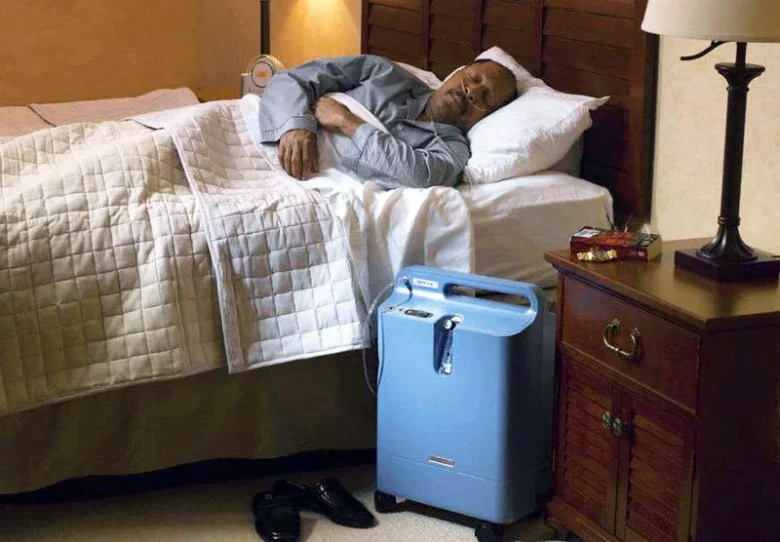
Oxygen Concentrator Philips EverFlo: A Buyer’s Guide for Long-Term Oxygen Therapy
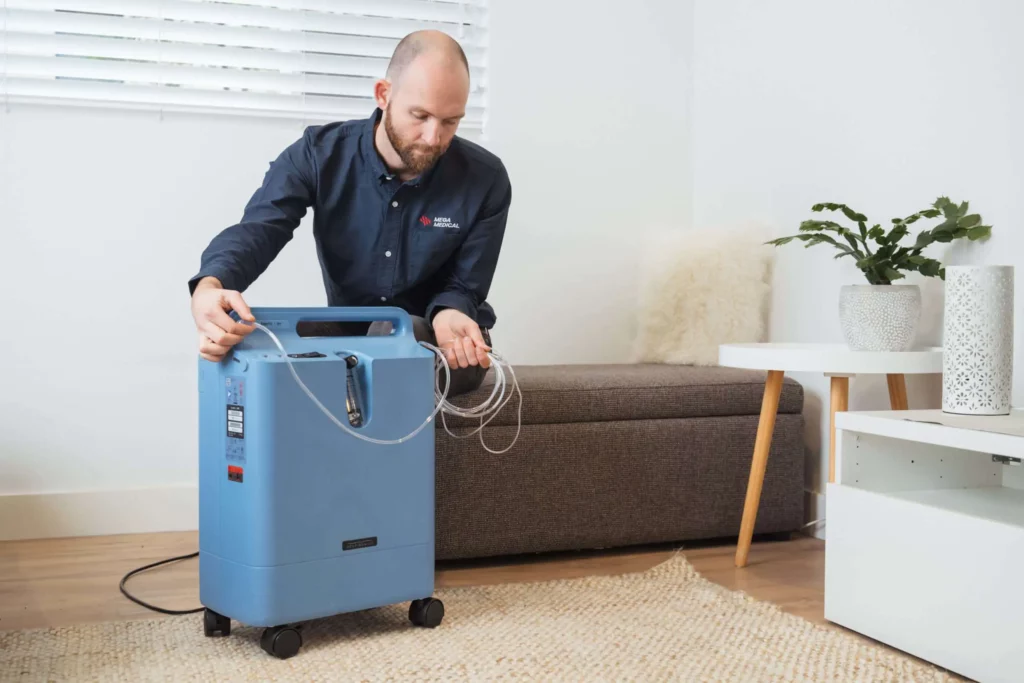
Oxygen Concentrator Philips EverFlo

What is the Philips EverFlo Oxygen Concentrator and How Does It Work?

The Philips EverFlo is a stationary oxygen concentrator designed for patients who need long-term oxygen therapy at home. Made by Philips Respironics, this medical device takes oxygen from the surrounding air and provides it in concentrated form to individuals requiring additional oxygen support.

How Does the Philips EverFlo Work?

The Oxygen Concentrator Philips EverFlo operates using a proven technology known as pressure swing adsorption (PSA). This process ensures a reliable and continuous supply of medical-grade oxygen. Here’s how it works:

• Room air is drawn into the concentrator
• The air passes through a compressor that increases its pressure
• Compressed air flows through specialized beds filled with zeolite pellets
• The zeolite pellets separate nitrogen from oxygen
• Nitrogen is released back into the room, while purified oxygen is delivered to the patient through tubing

This cycle runs continuously, allowing the Oxygen Concentrator Philips EverFlo to provide a steady flow of oxygen without the need for refills or oxygen tank replacements.

Continuous Flow Capacity

The EverFlo can deliver continuous oxygen flow up to 5 liters per minute (LPM). This flow rate range is suitable for most patients prescribed long-term oxygen therapy:

  • 1-2 LPM: Ideal for patients with mild oxygen needs or during rest periods
  • 3-4 LPM: Addresses moderate oxygen requirements during daily activities
  • 5 LPM: Meets higher oxygen demands for patients with more severe respiratory conditions

Unlike pulse-dose systems that only deliver oxygen when the patient inhales, the continuous flow method ensures that oxygen flows steadily at the prescribed rate regardless of breathing patterns. This is particularly important for patients who need consistent oxygen levels, especially during sleep when breathing becomes irregular.

Meeting Patient Oxygen Needs

The EverFlo’s maximum capacity of 5 LPM makes it a flexible solution for various respiratory conditions. Patients with chronic obstructive pulmonary disease (COPD), emphysema, pulmonary fibrosis, and other chronic lung diseases often require oxygen therapy within this range.

Healthcare providers determine specific flow rates based on blood oxygen saturation levels, which are typically measured using pulse oximetry or arterial blood gas tests. By delivering reliable continuous flow, the EverFlo helps ensure that patients maintain adequate oxygen saturation throughout the day and night.

This steady supply of oxygen contributes to reducing shortness of breath, increasing energy levels, and enhancing cognitive function.

What Makes the Design and Usability of the Philips EverFlo Stand Out?

The Philips EverFlo distinguishes itself through its compact design and remarkably lightweight construction, weighing just 14 kg (31 pounds). This represents a 40% weight reduction compared to previous models, making it one of the most portable stationary concentrators available. Patients who need to move their device between rooms or transport it for short trips find this weight advantage particularly valuable.

The integrated handle streamlines the entire user experience. Unlike older models requiring separate carrying accessories, the EverFlo features a built-in handle molded directly into its chassis. This design choice eliminates additional components that could break or require replacement. Caregivers can lift and reposition the unit with one hand, while the handle’s ergonomic design distributes weight evenly to prevent strain during transport.

Storage becomes less of a concern with the EverFlo’s space-efficient footprint. The unit fits comfortably in closets, beside furniture, or under tables without dominating living spaces. Home care providers appreciate how easily multiple units can be stored and transported in delivery vehicles, reducing logistics costs and improving service efficiency.

Simplified Maintenance Through Smart Engineering

The user-friendly features extend beyond physical design into practical maintenance considerations. The EverFlo uses only two filters instead of the multiple filtration systems found in competing models:

  • External filter: Accessible without tools, allowing quick cleaning or replacement by patients or family members
  • Internal micro disk filter: Checked during scheduled professional maintenance visits

This simplified approach reduces the number of parts that can fail or require replacement. Fewer components mean lower inventory costs for providers and reduced complexity for users managing their equipment. Patients without technical expertise can perform basic upkeep confidently, maintaining optimal performance between professional service appointments.

The streamlined construction also contributes to the device’s reliability record. Each eliminated component represents one less potential failure point, translating to fewer service calls and less therapy interruption. This engineering philosophy prioritizes long-term dependability over complex features that might compromise reliability.

Energy efficiency complements the physical design advantages. The EverFlo consumes 24% less power than comparable models, reducing electricity costs for patients using the device continuously. This efficiency also generates less heat, making the unit

How Does the Philips EverFlo Benefit Patients and Care Providers?

The Philips EverFlo offers several advantages for both patients and care providers.

Benefits for Patients

  1. Quiet Operation: Unlike traditional oxygen concentrators, the EverFlo operates at a significantly lower noise level. This means patients can enjoy a peaceful environment, watch TV, have conversations, or sleep without being disturbed by the sound of the machine.
  2. Independence: The user-friendly interface and reliable performance of the EverFlo empower patients living alone. They can easily operate the device without confusion and have peace of mind knowing that they are receiving consistent oxygen delivery even when unsupervised.
  3. Integration into Daily Routines: With its quiet operation, low maintenance requirements, and manageable weight, the EverFlo seamlessly fits into patients’ everyday lives. Oxygen therapy becomes a natural part of their routine rather than an inconvenience.

Benefits for Care Providers

  1. Easy Maintenance: Care providers appreciate the simplicity of maintaining the EverFlo. The unit’s filter can be easily replaced without any specialized training or technical skills, allowing family members or home health aides to handle routine upkeep without needing to call in professionals.
  2. Cost Savings: The energy-efficient design of the EverFlo consumes less electricity compared to similar models, resulting in lower utility bills. This is particularly beneficial for patients who require continuous oxygen therapy and have their concentrators running all day long.
  3. Portability**: The lightweight nature of the EverFlo makes it easy for caregivers to move the unit around as needed. Whether it’s cleaning, rearranging furniture, or temporarily relocating the concentrator to different rooms, caregivers can do so without much effort.
  4. Reduced Repair Costs**: The simplified internal design of the EverFlo with fewer components means there is a lower chance of mechanical failures and reduced repair expenses over time. This is advantageous for both care providers and patients as it minimizes disruptions in therapy.

Overall, the Philips EverFlo brings significant benefits to both patients and care providers through its quiet operation, easy maintenance, cost-effectiveness, portability, and reliability.

Other Resources : The use of dual oxygen concentrator system for mechanical ventilation during COVID-19 pandemic in Sabah, Malaysia

Are There Any Considerations When Buying the Philips EverFlo?

Supply delays and availability issues currently affect the Philips EverFlo due to global stock constraints. Buyers should anticipate potential wait times when ordering this oxygen concentrator, as demand often exceeds immediate supply availability.

Why Should You Plan Your Purchase in Advance?

Planning ahead ensures uninterrupted oxygen therapy for patients who depend on continuous oxygen delivery. Waiting until the last minute to replace or purchase an oxygen concentrator creates unnecessary health risks if supply delays occur.

Key timing considerations include:

  • Ordering 4-6 weeks before your anticipated need date
  • Checking with multiple authorized distributors for stock availability
  • Maintaining a backup oxygen supply plan during the waiting period
  • Confirming estimated delivery dates before finalizing your purchase
Oxygen Concentrator Philips EverFlo

What Warranty and Support Options Matter Most?

Warranty coverage protects your investment in the Philips EverFlo, which serves as essential medical equipment. Standard manufacturer warranties typically cover defects and mechanical failures, though terms vary by supplier and region.

Essential warranty and support factors:

  • Warranty duration: Verify whether coverage extends 1, 2, or 3 years
  • Technical support access: Confirm availability of phone or online assistance for troubleshooting
  • Service network: Ensure authorized service centers exist in your area for repairs
  • Replacement policies: Understand procedures if the unit fails during warranty period

Many suppliers offer extended warranty options for additional peace of mind. The simplified design of the EverFlo—with fewer parts requiring maintenance—reduces the likelihood of mechanical issues, yet comprehensive support remains valuable for long-term therapy needs.

Buyer considerations extend beyond price comparison. Evaluating the supplier’s reputation, customer service responsiveness, and post-purchase support determines your overall experience with the Oxygen Concentrator Philips EverFlo. Request references from other buyers or read verified customer reviews before committing to a specific vendor, especially when managing availability issues in the current market environment.

More to Read : Understanding How an Aerobika Device Helps Improve Mucus Clearance