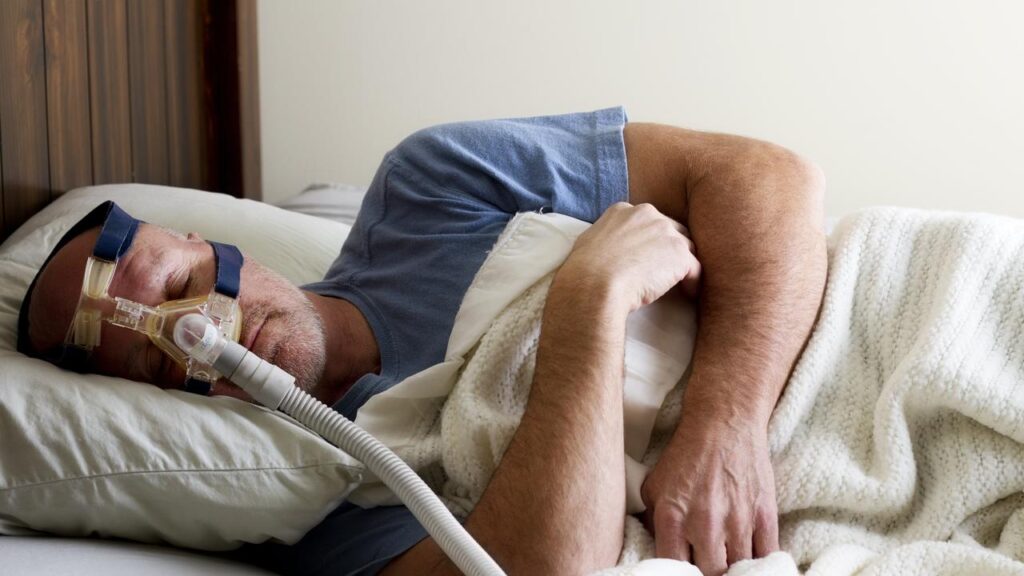
Sleep Test Sydney

Sleep Apnea Test Australia: The Complete Guide for Sydney Patients

Sleep Apnea Test Australia: The Complete Guide for Sydney Patients

If you have been told you might have sleep apnoea, you are probably searching for a clear, national overview. A sleep apnea test in Australia is a well-established pathway, with in-lab and home options, Medicare rebates for eligible patients, and a range of providers across Sydney and the rest of the country. This guide covers the essentials in one place so you know what to expect at every stage.

What a sleep apnea test is

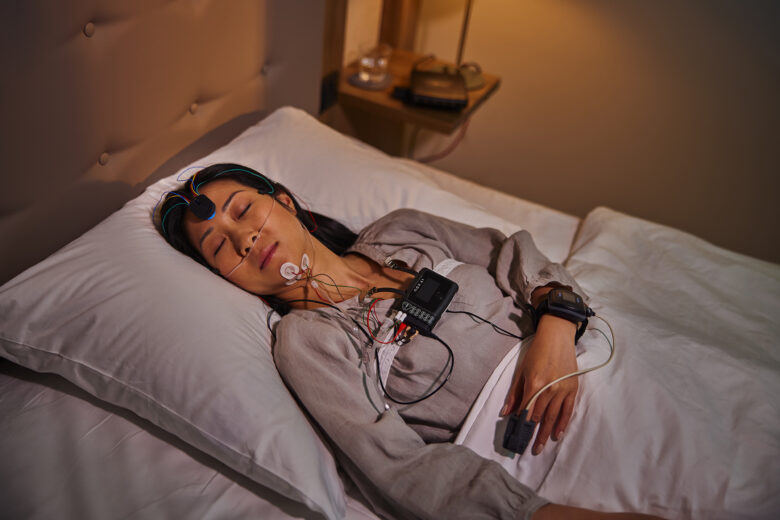
A sleep apnea test records your breathing during sleep. It tracks airflow, breathing effort, oxygen levels and, in an in-lab study, brain activity and movement. The goal is to count breathing events per hour and measure how often your oxygen drops. Those numbers classify obstructive Sleep Apnea Test Australia as mild, moderate or severe.

The healthdirect guide to obstructive sleep apnoea explains that a doctor may order an overnight sleep study when symptoms such as snoring, pauses in breathing and daytime sleepiness are present.

Symptoms that prompt testing

The most common triggers are loud snoring, witnessed breathing pauses, gasping or choking at night, waking unrefreshed, morning headaches and excessive daytime sleepiness. High blood pressure that is hard to control can also prompt a test. Your GP will usually start with a conversation and a sleepiness questionnaire before deciding on referral.
Sleep Apnea Test Australia: The Complete Guide for Sydney Patients

In-lab or home testing

In-lab studies are the most comprehensive and suit complex cases. Home tests are convenient and suit many adults with a high likelihood of obstructive sleep apnoea. Your clinician chooses the format based on your symptoms, medical history and any other conditions you have.

A Flinders University review of diagnostic modalities describes how home testing is now standard in many clinical sleep centres, while emphasising that patient selection matters.

Referral and Medicare

In Australia, your GP is often the first step. Depending on the test and the provider, a specialist referral may be needed for Medicare to cover the service. Clinics should tell you what referral they require before you book.

Bulk billing is available for some eligible services, but not all providers offer it, so check directly.

Costs to expect

Costs depend on the format, the provider and whether you pay a gap. Home tests tend to cost less than in-lab studies. Always ask for an itemised quote that includes scoring, the report and any follow-up consultation. Budget for possible travel costs too.

What happens after diagnosis

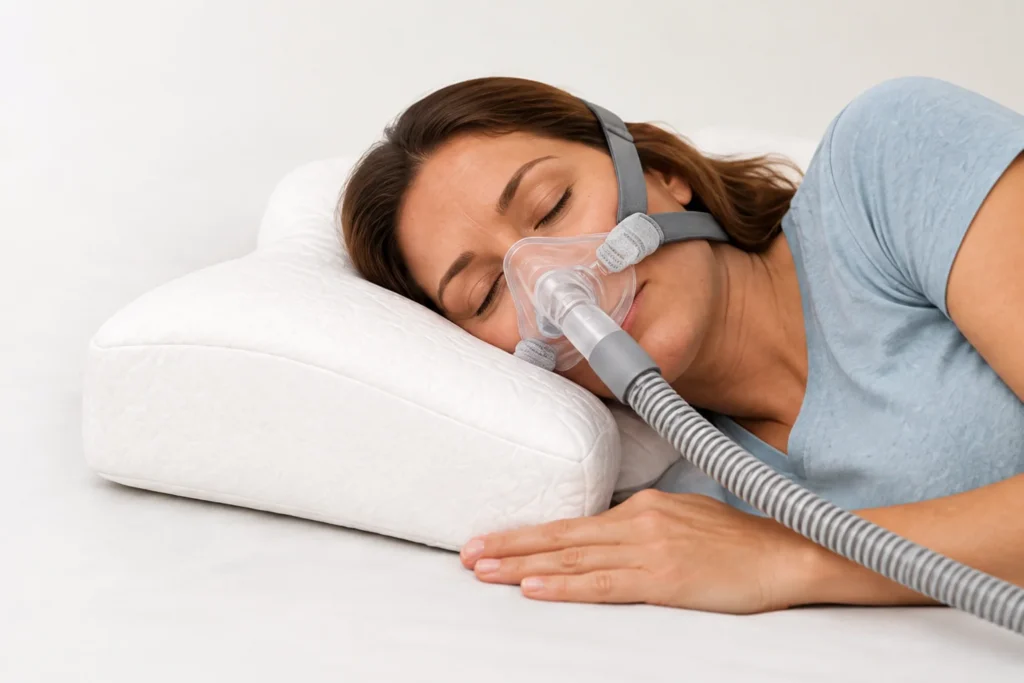
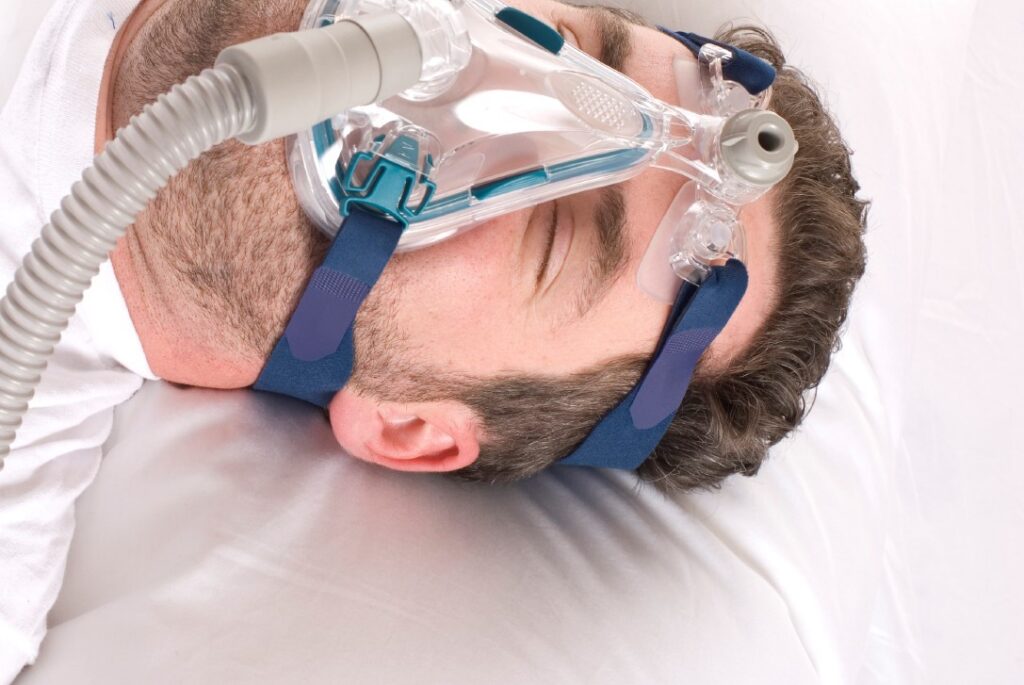
If the test confirms sleep apnoea, treatment usually includes CPAP therapy for moderate to severe cases, oral appliances for some patients and lifestyle changes such as weight management, reducing alcohol before bed and stopping smoking. Surgery is an option in certain situations. Your doctor will discuss the best plan based on your results.

Why accurate testing matters

Untreated sleep apnoea increases the risk of high blood pressure, heart problems, stroke, diabetes and accidents while driving or working. A test is not about labels. It is about getting a clear answer so treatment can start.

Practical tips for Sydney patients

Choose a provider with clear pricing, accreditation and a reporting timeline. Ask whether results go to your GP.

If you are in Sydney, pick a location that minimises travel on test night and for your results appointment. Consider whether a home test could save you time while still being clinically appropriate.

Why location matters less than you think

When you search for a sleep apnea test near me, it feels like proximity should decide everything. In reality, the test itself is standardised, and the main differences are wait times, reporting speed and follow-up. A clinic ten minutes away with a six-week wait and slow reports may serve you worse than a clinic thirty minutes away with fast results. Look at the whole experience, not just the map pin.
Sleep Apnea Test Australia: The Complete Guide for Sydney Patients

Questions for a Sydney provider

Ask how many tests they perform each week, who reads the results and how long a typical report takes. Ask whether they offer both in-lab and home options, and whether they can coordinate with your GP. Good providers answer these questions quickly. If you get vague responses, treat that as information.

Checking reviews the smart way

Online reviews can help, but read them with care. Look for comments about communication, report turnaround and how staff handled concerns. A single angry review is less useful than a pattern of similar complaints. Also check whether the provider responds professionally to negative feedback, because that shows how they treat patients when something goes wrong.

Local follow-up is the real advantage

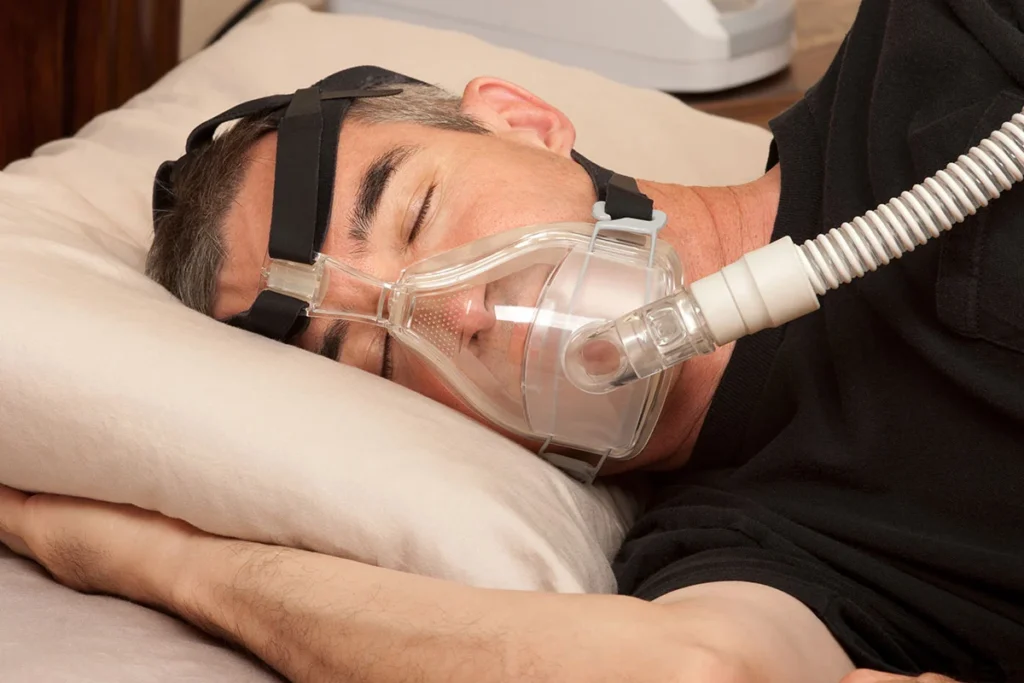
Most people need more than one appointment after a diagnosis. You may need a CPAP fitting, a mask change or a repeat study to check treatment. A clinic that is close to home or work makes these visits far easier to keep.

Missed follow-up is one of the main reasons people stop treatment early, so proximity has real clinical value after the test.

The takeaway

A sleep apnea test in Australia is a practical, well-supported route to a diagnosis. Start with your GP, confirm the referral and format, compare costs properly, and plan follow-up before you book. Clarity now saves months of guessing later.


Sleep Test Sydney: Signs You Should Get Checked Now

Sleep Test Sydney: Signs You Should Get Checked Now

Most people do not book a sleep test because they feel great. They book one because someone close to them is tired of listening to them snore, or because they nearly fell asleep at the wheel on the M4. If that sounds familiar, you are in the right place. A sleep test is a practical step that can explain symptoms you may have been living with for years.

The symptoms that deserve attention

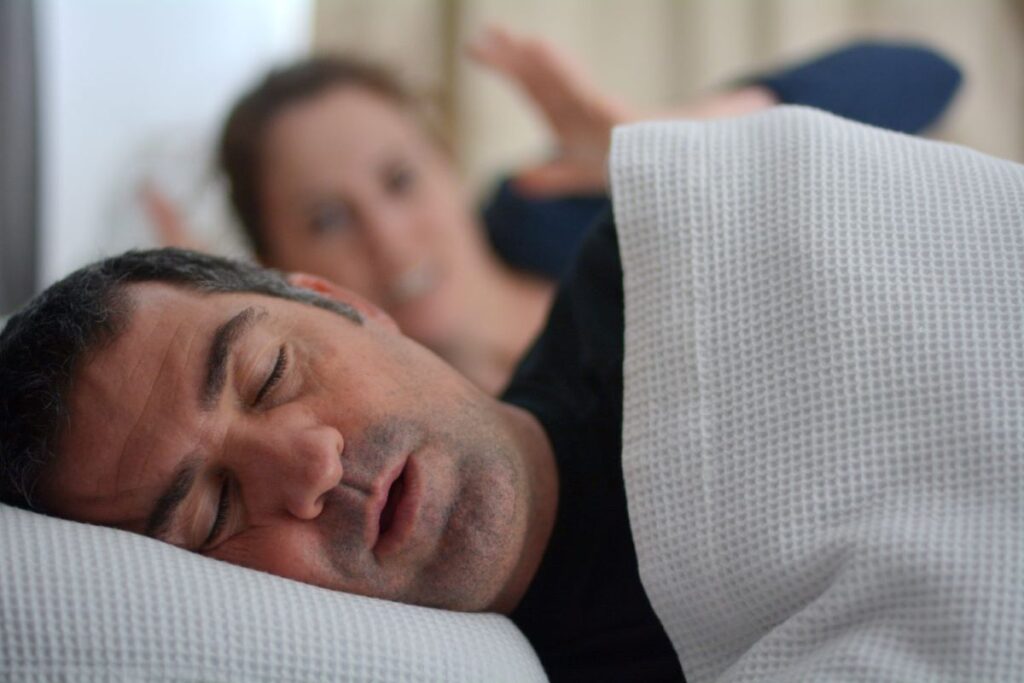
Loud, persistent snoring is the most common red flag. Snoring alone does not prove you have a disorder, but when it comes with pauses in breathing, choking or gasping, it is worth investigating. Partners often notice these things before you do, so ask them what they hear.

Daytime sleepiness is the second signal. If you doze off during meetings, while reading, or in traffic, that is not normal, even if you think you are sleeping seven hours. Morning headaches, dry mouth, irritability, memory problems and difficulty concentrating also show up often.

Why it matters beyond feeling tired

Untreated Sleep Test Sydney does more than drain your energy. The healthdirect page on obstructive sleep apnoea lists high blood pressure, heart problems, stroke, diabetes and an increased risk of car and workplace accidents among the complications. Those risks are a big reason doctors take persistent symptoms seriously.

For Sydney drivers and shift workers, the safety angle is particularly relevant. A test that confirms or rules out a problem is a cheap insurance policy against a much bigger one.

Sleep Test Sydney: Signs You Should Get Checked Now

What a sleep test involves

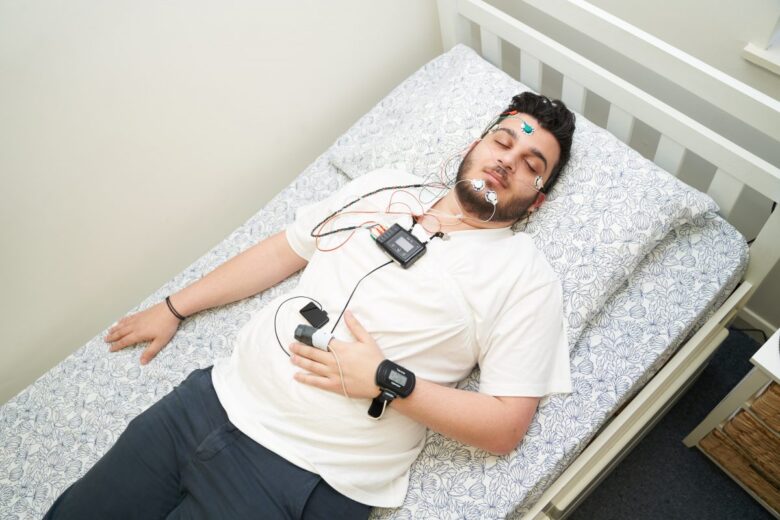
The test is usually an overnight recording of breathing, oxygen levels, heart rhythm and, in an in-lab study, brain activity and leg movement. Some people go to a sleep clinic. Others are suitable for a home test, where they wear a small device at home. Your doctor decides which format fits, based on your symptoms and health history.

You do not need to prepare anything unusual. Keep your usual routine, avoid caffeine that day, and bring any medications and existing equipment with you.

Who should talk to a GP first

You should book a GP appointment before anything else if you have any of the following: loud snoring with witnessed pauses, excessive daytime sleepiness, high blood pressure that is hard to control, a large neck size, or weight gain with worsening sleep. Your GP will assess you, possibly use a sleepiness questionnaire, and then decide whether a referral is needed.

Bring a short list of symptoms, notes on when they happen, and questions about cost and waiting times. Those details make the referral faster and more accurate.

Costs and referral options in Sydney

Costs depend on whether you choose a public or private service, whether your test is in-lab or home-based, and whether Medicare rebates apply. Ask the provider for a written estimate. Some practices bulk bill eligible patients. Others charge a gap, so compare before committing.

Avoid the common mistake

Many people wait years because they assume they are simply a noisy sleeper or a naturally tired person. Others try to fix the problem with new pillows or sleeping pills without testing. Those approaches can mask the issue. A proper sleep test gives you a number and a plan instead of guesswork.

How to tell if your sleepiness is a problem

Feeling tired after a long week is normal. Feeling tired after a full night’s sleep is a different story. A useful check is to ask yourself whether you doze off in situations where you should be alert, such as during a meeting, a film or while sitting in traffic. If that happens more than once a month, it is worth raising with your GP. Your doctor may use a short questionnaire to measure how sleepy you feel during the day, which helps decide whether a sleep test is needed.

Why partners notice first

Many people with breathing problems during sleep never realise they stop breathing. A partner or housemate is often the first to notice loud snoring, gasping or long silent gaps. If someone has mentioned these things, write them down with rough dates and times. That record can make your GP appointment far more productive and gives the sleep team useful information before the test even starts.

Driving and workplace safety

Sleepiness is not just uncomfortable. It can be dangerous. People with untreated sleep apnoea have a higher risk of falling asleep at the wheel, which matters on Sydney’s motorways and late-night commutes. Shift workers face similar risks on long shifts. If you have had a near miss, or your job involves driving or heavy machinery, mention it to your doctor. That detail can move your test up the priority list.

Sleep Test Sydney: Signs You Should Get Checked Now

Treatment is the goal

A sleep test is a step, not the finish line. The point is to find out whether a breathing problem is causing your symptoms and then to treat it. Treatment options include CPAP, oral appliances, weight management and changes to sleep position or alcohol use. Once you start treatment, follow-up checks help confirm that your symptoms are improving. Keep the test in perspective and focus on the plan that comes after it.

The bottom line

If your sleep is poor and your daytime life is suffering, a sleep test is a reasonable next step, not an overreaction. Talk to your GP, understand your options, and get a clear answer. Feeling better usually starts with knowing what is actually happening overnight.

Sleep Apnea Test Melbourne: What Sydney Patients Should Compare

Sleep Apnea Test Melbourne: What Sydney Patients Should Compare

Plenty of people search for a sleep apnea test in Melbourne while living in Sydney, perhaps because a specialist they trust is based there, a family member is in Victoria, or they are travelling for work. The test itself works the same way wherever you have it. What changes is the logistics, the cost and the follow-up. This article helps Sydney readers weigh a Melbourne option against what is available closer to home.

What a sleep apnea test measures

A Sleep Apnea Test Melbourne records your breathing, airflow, oxygen levels and effort during sleep. The main output is how often your breathing slows or stops per hour, which is used to classify the severity of obstructive sleep apnoea. The test can be done in a sleep lab or at home, depending on your clinical picture.

The healthdirect explanation of obstructive sleep apnoea describes apnoeas as breathing pauses that can occur many times a night, often without your awareness. That is why a test is useful: you cannot easily measure these events from the inside.

Why people look interstate

Sometimes the reason is practical. A sleep physician with good reviews may practise in Melbourne, or a telehealth consult may connect you to a Victorian service. Sometimes waiting lists in your home state are longer. Sometimes it is simply that a friend recommended a clinic.

Before booking interstate, weigh up the total cost, not just the test price. Flights, accommodation, time off work and a second follow-up visit can quickly outweigh a lower fee.

Sleep Apnea Test Melbourne: What Sydney Patients Should Compare

Home test or in-lab test

If you are based in Sydney, a home sleep apnoea test may let you avoid travel entirely. Your clinician can supply the device and explain the setup, and you return it for analysis. However, home testing is not suitable for everyone. People with significant heart or lung disease, or those whose doctor suspects a different disorder, often need an in-lab study.

A Flinders University review on diagnostic modalities explains that home testing has become standard in many clinical settings, while noting the importance of matching the test to each patient.

Questions to ask any provider

Ask whether the test is accredited, who reads the results, and whether a sleep physician reviews the report. Ask how long results take and whether you receive a treatment consultation as part of the price. If you are referred from Sydney, ask whether the Melbourne provider will send the report to your Sydney GP.

Check Medicare eligibility too. Rebates depend on the type of test and referral, and they do not change simply because you have travelled interstate. Confirm the out-of-pocket amount before you book.

Follow-up is the real test

A diagnosis is only the start. If your result shows sleep apnoea, you will likely need a CPAP trial, a dental appliance or lifestyle changes, plus ongoing review. Ask who will manage your treatment. Many people find it easier to have their diagnosis and follow-up close to home, even if the test happened interstate.

Local options for Sydney patients

Sydney has many sleep clinics and home test providers across the metro area. Compare them on turnaround time, pricing transparency, location and whether they can coordinate with your existing GP or specialist. In most cases, a closer provider with clear reporting beats a distant one with a famous name.

Melbourne versus Sydney: a practical comparison

Both cities have strong sleep medicine teams, so quality is rarely the problem. The real differences are logistics.

A Melbourne clinic is a flight away for most Sydney residents, which changes the total cost of the test. If your Sydney GP can refer you to a local provider that follows the same protocols, that is usually the easier path. Ask any out-of-town clinic whether they will send the report to your local doctor and whether follow-up can happen by video.

Questions to ask a Melbourne sleep clinic

If you still prefer a Melbourne clinic, ask how long the waitlist is, whether the test is bulk billed under your referral, and whether a repeat night is included. Confirm the cancellation policy too, since flights and accommodation are harder to rearrange than a local appointment. Get written answers so you can compare them with Sydney quotes calmly.

Timing your visit

If you travel for a sleep study, plan the trip so you can return home the next day without rushing. Book the test on a night that gives you a buffer before work, and do not schedule a critical meeting the following morning. Sleep quality can dip on a first night away, so expect a lighter recording and talk to the technician if you feel unusually restless.

Sleep Apnea Test Melbourne: What Sydney Patients Should Compare

Why a local follow-up still matters

A diagnosis is only half the process. Most people with sleep apnoea need regular review, equipment checks and sometimes a second study to confirm treatment is working. A Melbourne test with Sydney follow-up can work, but only if the communication is clear. A Sydney test with a Sydney team is simpler, which is why most patients end up choosing locally.

The takeaway

A sleep apnea test in Melbourne can be a legitimate choice, but do not let location drive the decision alone. Compare the full cost, the test format, the reporting process and the follow-up plan. For most Sydney patients, the best test is the one that is accurate, affordable and easy to act on afterwards.

Sleep Study Sydney Cost: Medicare and Private Pricing Explained

Sleep Study Sydney Cost

This guide breaks down typical Sydney pricing, what Medicare may cover, and what private clinics usually charge.

What does a sleep study in Sydney typically cost?

Sleep study Sydney cost can vary depending on the type of test, with home sleep tests generally being more affordable. Many providers also charge additional fees for specialist consultations and follow-up appointments.

Here’s a rough guide to what you can expect:

  • Home sleep test: Typically ranges from a few hundred dollars up to around $1,000.
  • In-lab polysomnography: Generally costs between $1,000 and $3,500+, depending on the clinic and specifics of the study.

Keep in mind that actual prices will vary based on the clinic, the services included, and the urgency of the study. Always ask for a detailed quote for a clearer estimate.

What types of sleep studies affect the price?

The cost changes mainly because the setup and staff time differ.

Common types include:

  • Home Sleep Apnoea Test (HSAT): done at home with portable equipment, usually focused on breathing and oxygen.
  • In-lab polysomnography (PSG): done in a sleep lab with more sensors and overnight monitoring.
  • Split-night studies or CPAP titration: may cost more because they include treatment set-up and optimisation.

The more complex the study, the higher the fee tends to be.

What is included in the quoted price, and what is often extra?

Some clinics advertise a single bundled fee, while others break it into parts. They should ask for an itemised quote before booking.

Common inclusions:

  • Equipment hire (home tests) or lab bed and monitoring (in-lab)
  • Data scoring and report
  • Basic results delivery

Common extras:

  • Initial specialist consultation
  • GP or specialist referral handling fee (rare, but possible)
  • Follow-up appointment to discuss results
  • CPAP trial, mask fitting, or titration night
  • Extra reports for employers (for example, fitness-to-drive)

How does Medicare affect sleep study costs in Sydney?

Medicare can reduce out-of-pocket costs when the study meets the relevant requirements and is billed appropriately. In many cases, Medicare support is stronger for medically indicated testing with suitable documentation.

They will usually need a referral pathway that fits Medicare rules, and the provider must bill the correct Medicare item numbers. If the clinic is private and does not bulk bill, they may still receive a rebate and pay the gap.

Do they need a GP referral to claim Medicare benefits?

In practice, a referral is commonly needed for Medicare rebates tied to specialist care and many diagnostic pathways. Without it, they may be treated as a private patient paying the full amount.

They should ask the clinic directly whether a GP referral is required for the specific test and billing method they plan to use.

What is the difference between bulk billing and a Medicare rebate?

Bulk billing means the provider accepts the Medicare benefit as full payment, so they pay nothing (or very little) for that billed service. A Medicare rebate means they pay the provider’s fee upfront (or are invoiced), then Medicare refunds a set amount. Read more about bulk billing for all Australians.

Many sleep services in Sydney are mixed billing, so they may still face a gap even when Medicare applies.

What can they expect to pay privately if Medicare does not apply?

If they are paying fully privately, home testing is usually the cheapest route, and in-lab studies typically cost more due to overnight staffing and facilities.

Private pricing commonly rises when:

  • The clinic offers fast turnaround or short-notice bookings
  • A specialist consultation is included before or after the test
  • They need a second night (for example, titration)

They should request a written quote that lists exactly what they are paying for.

How does private health insurance change the cost?

Private health insurance may reduce costs for in-hospital style sleep studies, depending on the policy and whether the facility is an approved provider. Extras cover sometimes contributes to certain out-of-hospital services, but this varies widely.

They should check:

  • Whether the sleep lab is in-network for their insurer
  • Their waiting periods and annual limits
  • Any excess or co-payments
  • Whether the doctor’s fees are covered separately or still attract gaps

Even with insurance, they may pay out-of-pocket for consultations and interpretation fees.

Are public hospital sleep studies cheaper in Sydney?

Public hospital pathways can be cheaper, but access often comes with longer waiting times and stricter eligibility. Their GP may refer them to a public clinic if symptoms are significant and criteria are met.

For people who want speed and choice of provider, private testing is usually faster but costs more.

What other costs should they budget for after the sleep study?

The sleep study is often only the start. If they are diagnosed with obstructive sleep apnoea, ongoing costs can include equipment and follow-up.

Typical add-ons:

  • CPAP machine purchase or rental
  • Masks and replacement parts
  • Follow-up appointments to improve comfort and compliance

They should ask whether the clinic is independent or also sells CPAP, and whether they are free to take the prescription elsewhere.

Sleep Study Sydney Cost

How can they reduce the total cost without compromising care?

They can often cut costs by clarifying what test level is clinically appropriate and avoiding duplicated appointments.

Practical steps:

  • Ask whether a home study is suitable before booking an in-lab study
  • Request an itemised quote and confirm follow-up fees
  • Check Medicare and insurance eligibility before committing
  • Compare turnaround times and inclusions, not just the base fee
  • Confirm whether results include a written report and treatment plan

Learn more about home sleep study Perth: Is It Right for You?

What questions should they ask a Sydney provider before booking?

A short call can prevent surprise bills later.

They should ask:

  • What type of study is recommended and why?
  • Is the fee bundled, and what is excluded?
  • Is Medicare billing available, and what rebate is expected?
  • Will they need a consultation, and what does it cost?
  • How long until results are ready?
  • If CPAP is needed, do they provide prescriptions and choice of supplier?

What is the simplest way to estimate their out-of-pocket cost?

They will get the clearest estimate by combining three numbers: the provider’s fee, the Medicare rebate (if any), and the insurer contribution (if any). The clinic can usually provide an estimate, but they should still confirm rebates with Medicare and their insurer.

If a provider cannot explain the likely gap clearly, they should treat that as a red flag and shop around.

Sleep Study Sydney Cost

FAQs (Frequently Asked Questions)

What is the typical cost of a sleep study in Sydney?

In Sydney, the cost of a sleep study varies depending on the type of test. Home sleep tests usually cost a few hundred dollars up to around $1,000, while in-lab overnight polysomnography can range from approximately $1,000 to over $3,500. Prices also vary based on clinic, inclusions, and urgency.

How do different types of sleep studies affect the price?

The cost depends on the complexity and setup of the sleep study. Home Sleep Apnoea Tests (HSAT) are generally cheaper as they use portable equipment at home focusing mainly on breathing and oxygen levels. In-lab polysomnography (PSG) involves overnight monitoring with more sensors and tends to be more expensive. Split-night studies or CPAP titration usually cost more due to treatment setup and optimisation.

What costs are typically included in a sleep study quote, and what extras might I expect?

Quotes may include equipment hire for home tests or lab monitoring for in-lab studies, data scoring, report generation, and basic results delivery. Extras often comprise initial specialist consultations, GP or specialist referral fees (rare), follow-up appointments, CPAP trials or mask fittings, titration nights, and additional reports such as fitness-to-drive documentation.

How does Medicare impact the cost of sleep studies in Sydney?

Medicare can reduce out-of-pocket expenses when the sleep study meets specific medical criteria and is billed correctly using appropriate Medicare item numbers. Usually, a GP referral is required to qualify for Medicare rebates. Private clinics may not bulk bill but can still provide rebates with patients paying any remaining gap.

Can private health insurance help reduce sleep study costs?

Private health insurance may lower costs for in-hospital style sleep studies depending on your policy and whether the facility is an approved provider. Extras cover might contribute towards some out-of-hospital services but varies widely. It’s important to check if the lab is in-network, waiting periods, annual limits, excesses or co-payments, and whether doctors’ fees are covered or attract gaps.

Are public hospital sleep studies a cheaper option in Sydney?

Public hospital sleep studies can be less expensive but often come with longer waiting times and stricter eligibility criteria. Referrals through your GP are necessary if symptoms meet certain thresholds. For faster access and choice of provider, private testing is usually preferred though it tends to cost more.

Comprehensive Sleep Testing in Sydney: What to Expect

sleep_testing

Sleep testing is an essential diagnostic tool used to evaluate and diagnose various sleep disorders. If you are scheduled to undergo comprehensive sleep testing in Sydney, it is natural to have questions and concerns about what to expect. In this article, we will take an in-depth look at the process of sleep testing, the importance of sleep, the different types of sleep tests available, and address common concerns.

Understanding the Importance of Sleep Testing

Sleep plays a vital role in overall health and well-being. Quality sleep is crucial for the body’s ability to repair and recharge itself. It is during sleep that our brains process information and consolidate memories. Additionally, proper sleep supports healthy immune function, mental health, hormone regulation, and cardiovascular health.

In conclusion, comprehensive sleep test Sydney is a valuable tool in diagnosing and managing sleep disorders. By understanding the importance of sleep testing, the process involved, and the available treatment options, individuals can take control of their sleep health and improve overall well-being.

However, many individuals struggle with sleep disorders that can significantly impact their quality of life. Sleep testing helps identify these disorders, allowing for targeted treatment plans that can improve overall sleep quality and, consequently, various aspects of well-being.

The Role of Sleep in Overall Health

Getting an adequate amount of good-quality sleep is important for several reasons:

  1. Physical Health: Sleep is essential for physical health. It aids in growth and development, as well as the restoration and repair of tissues and cells.
  2. Memory and Cognitive Function: Sleep is crucial for memory consolidation, learning, and cognitive function.
  3. Mental Health: Sufficient sleep is essential for supporting emotional well-being and regulating mood. Lack of sleep can contribute to the development or worsening of mental health conditions, such as anxiety and depression.
  4. Immune Function: During sleep, the immune system strengthens and replenishes itself, helping to fight off infections and diseases.
  5. Cardiovascular Health: Chronic sleep deprivation has been linked to an increased risk of heart disease, high blood pressure, and stroke.

When it comes to physical health, sleep is like a superhero. It swoops in to aid in growth and development, ensuring that our bodies reach their full potential. While we sleep, our tissues and cells undergo a process of restoration and repair, mending any damage that may have occurred during the day. It’s like a team of dedicated workers tirelessly fixing and renewing our bodies, so we wake up feeling refreshed and ready to take on the world.

But sleep doesn’t just work wonders for our physical health; it also has a profound impact on our mental well-being. When we sleep, our brains are hard at work, processing information and consolidating memories. It’s like a magical filing system, organizing our thoughts and experiences so we can recall them later. This cognitive function is essential for learning and problem-solving, allowing us to navigate through life with clarity and efficiency.

sleep_testing

Why You Might Need a Sleep Test

If you are experiencing persistent sleep problems or have symptoms of a sleep disorder, your healthcare provider may recommend a sleep test. Common indications for sleep testing include:

  • Excessive daytime sleepiness or fatigue
  • Loud snoring
  • Pauses in breathing during sleep
  • Witnessed episodes of gasping or choking during sleep
  • Restless legs or periodic limb movements during sleep
  • Difficulty falling asleep or staying asleep

Imagine waking up feeling more tired than when you went to bed. You drag yourself through the day, struggling to stay awake and focused. This excessive daytime sleepiness can have a significant impact on your productivity, mood, and overall quality of life. If you find yourself constantly battling fatigue, it may be time to consider a sleep test.

Another common sign that you may need a sleep test is loud snoring. While snoring can be a nuisance to your bed partner, it can also be a red flag for an underlying sleep disorder. Snoring occurs when the flow of air through the mouth and nose is partially blocked during sleep. This obstruction can lead to fragmented sleep and decreased oxygen levels, potentially causing serious health issues in the long run. Learn more about oxygen on https://scied.ucar.edu/learning-zone/air-quality/oxygen

So, if you find yourself struggling with sleep, whether it’s due to snoring, difficulty breathing, or restless legs, don’t ignore the signs. A sleep test can provide valuable insights into your sleep patterns and help you find the restful nights you deserve.

The Process of Sleep Testing in Sydney

Before undergoing sleep testing, it is essential to understand what to expect. The process typically involves several steps, including preparation, the test itself, and interpretation of the results.

Preparing for Your Sleep Test

Prior to your sleep test, your healthcare provider will provide you with specific instructions on how to prepare. This may include avoiding caffeine and certain medications, as well as maintaining your regular sleep schedule. It is crucial to follow these instructions to ensure accurate test results.

Preparing for a sleep test also involves gathering information about your medical history and sleep habits. This information helps the sleep specialist tailor the test to your specific needs. It is important to provide accurate and detailed information to ensure the most accurate diagnosis.

What Happens During the Test

During a comprehensive sleep test, also known as polysomnography, you will undergo monitoring while you sleep. This monitoring involves the placement of various sensors on your body to record data such as brain waves, eye movements, heart rate, breathing patterns, and oxygen levels.

While you sleep, the sensors collect data that is transmitted to a computer for analysis. The sleep technologists in the sleep laboratory carefully monitor the data throughout the night, ensuring that the sensors are properly functioning and that you are comfortable.

In addition to the sensors, you may also be asked to wear a device called an actigraph, which measures your activity levels and sleep-wake patterns. This additional data provides valuable insights into your sleep quality and helps the sleep specialist make a more accurate diagnosis.

Interpreting Your Sleep Test Results

After your sleep test, a sleep specialist will analyze the collected data and interpret the results. They will assess various parameters, such as sleep stages, breathing patterns, and any abnormal events that occurred during the study. By analyzing these findings, they can identify the presence and severity of any sleep disorders.

Interpreting sleep test results requires expertise and experience. Sleep specialists are trained to identify subtle abnormalities and patterns that may indicate specific sleep disorders. They take into account not only the data collected during the test but also your medical history and symptoms.

Once the results are interpreted, your healthcare provider will discuss the findings with you and recommend appropriate treatment options based on your specific diagnosis. Treatment options may include lifestyle changes, medication, or the use of a continuous positive airway pressure (CPAP) machine, among others.

Remember, undergoing a sleep test is an important step towards understanding and improving your sleep health. By following the process and working closely with your healthcare provider, you can take control of your sleep and wake up feeling refreshed and rejuvenated.

Different Types of Sleep Tests Available

There are various types of sleep tests available, depending on the suspected sleep disorder and individual circumstances.

Polysomnography: An In-depth Look

Polysomnography is the most comprehensive sleep test and is commonly used to diagnose a wide range of sleep disorders. It involves monitoring brain activity, eye movements, muscle activity, breathing patterns, heart rhythm, and oxygen levels.

This test is typically conducted in a sleep laboratory, allowing for detailed data collection and analysis. Polysomnography provides valuable insights into your sleep architecture and can diagnose conditions such as sleep apnea, narcolepsy, and restless legs syndrome. Click here to find more about architecture.

Home Sleep Tests: Convenience and Comfort

For certain sleep disorders, such as obstructive sleep apnea, home sleep tests may be appropriate. These tests involve wearing a portable monitoring device that records data while you sleep in the comfort of your own home.

Home sleep tests are generally more convenient and cost-effective than in-laboratory testing. However, they may not provide the same level of comprehensive data as polysomnography, limiting their diagnostic capabilities.

sleep test sydney

Multiple Sleep Latency Test: Measuring Daytime Sleepiness

The multiple sleep latency test (MSLT) is used to assess daytime sleepiness and measure how quickly an individual falls asleep during the day. It is particularly helpful in diagnosing sleep disorders like narcolepsy.

During the MSLT, you will undergo a series of nap opportunities throughout the day, during which your brain activity, eye movements, and muscle tone will be monitored. The test provides valuable information about your daytime level of sleepiness and the potential presence of abnormal sleep patterns.

Addressing Common Concerns About Sleep Testing

It is normal to have concerns or anxieties about undergoing a sleep test. Let’s address some common concerns and questions.

Dealing with Anxiety Before the Test

If you are feeling anxious about your sleep test, it can be helpful to discuss your concerns with your healthcare provider. They can provide reassurance and information about the test, helping to alleviate any fears you may have.

Additionally, practicing good sleep hygiene leading up to your test can help promote relaxation and reduce anxiety. Avoid stimulants such as caffeine, establish a consistent bedtime routine, and create a calming sleep environment in your home.

Understanding the Risks and Side Effects

Sleep testing is generally safe and non-invasive. However, some individuals may experience minor discomfort during the placement of the sensors or have difficulty sleeping due to the unfamiliar surroundings.

Your sleep technologist will ensure your comfort throughout the night and address any concerns that arise. If discomfort persists or you have any severe adverse reactions during the test, inform the technologist immediately.

The Next Steps After Sleep Testing

Once your sleep test results are interpreted, your healthcare provider will discuss the next steps with you. This may include treatment options for your diagnosed sleep disorder, lifestyle changes to improve sleep quality, and ongoing monitoring and follow-up.

Treatment Options for Sleep Disorders

The appropriate treatment for your sleep disorder will depend on your specific diagnosis. Treatment options may include:

  • Continuous positive airway pressure (CPAP) therapy for sleep apnea
  • Medications to manage symptoms of insomnia or narcolepsy
  • Lifestyle modifications, such as improving sleep hygiene and establishing a regular sleep routine
  • Behavioral therapies, such as cognitive behavioral therapy for insomnia (CBT-I)

Lifestyle Changes to Improve Sleep Quality

Improving sleep quality often involves making changes to your daily routine and habits. Some recommendations to enhance sleep include:

  • Establishing a consistent sleep schedule, even on weekends
  • Creating a relaxing bedtime routine
  • Avoiding electronic devices and stimulating activities close to bedtime
  • Maintaining a comfortable sleep environment that is dark, quiet, and cool
  • Engaging in regular physical activity, but avoiding strenuous exercise close to bedtime

Ongoing Monitoring and Follow-up

Regular follow-up appointments with your healthcare provider are important to monitor your progress and make any necessary adjustments to your treatment plan. They will assess the effectiveness of the prescribed interventions, address any concerns or difficulties you may have encountered, and provide ongoing support.

Learn about cost of sleep apnea test at: The True Cost of Sleep Apnea Tests in Australia