Month: February 2026

Home Sleep Study Perth: Is It Right for You?

sleep study perth bulk billed

Still, a home test is not the best fit for everyone. The right choice depends on symptoms, medical history, and what a clinician needs to measure.

What is a home sleep study in Perth?

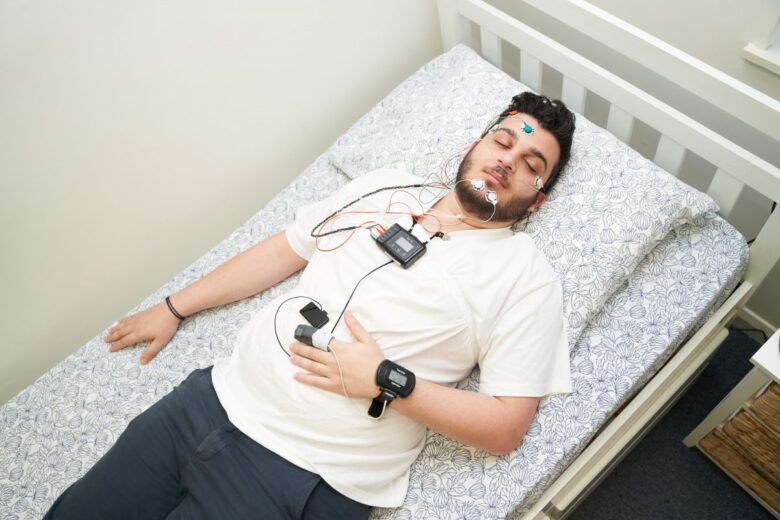
A home sleep study is a take-home test that records breathing and related signals overnight to assess for sleep-disordered breathing, most commonly obstructive sleep apnoea. During the test, the patient usually wears a small monitor with sensors placed on the finger, chest or abdomen, and near the nose.

If you’re searching for a sleep study Perth bulk billed option, it’s important to note that eligibility often depends on your referral, Medicare criteria, and the provider. In Perth, home sleep studies are typically arranged through a GP, a sleep physician, or a sleep clinic, with results interpreted by qualified professionals.

Who is a home sleep study usually right for?

A home sleep study is often suitable for people with a moderate to high likelihood of obstructive sleep apnoea. Common clues include loud habitual snoring, witnessed breathing pauses, waking with choking or gasping, and significant daytime sleepiness.

It can also suit people who prefer testing at home due to comfort, work schedules, caring responsibilities, or difficulty sleeping in unfamiliar environments.

What symptoms suggest they should consider one?

They may consider a home sleep study if they snore loudly most nights and feel unrefreshed despite adequate time in bed. Morning headaches, dry mouth on waking, irritability, poor concentration, and dozing off while reading or watching TV can also be relevant.

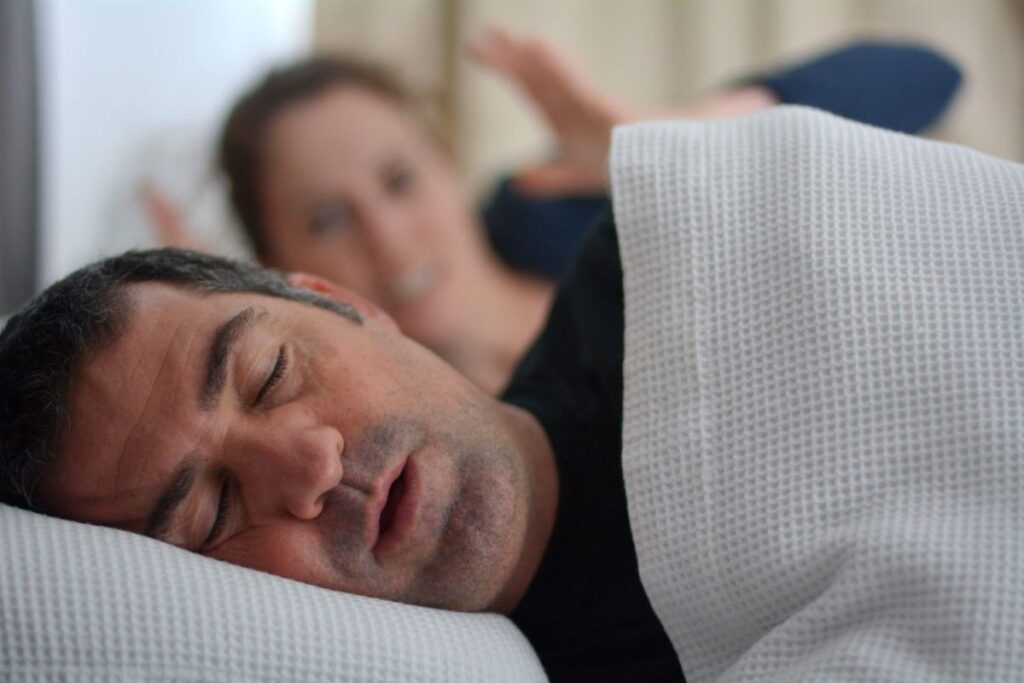
If partners report pauses in breathing, that is a particularly strong reason to seek assessment, even if the person feels they “sleep fine”. You may like to visit https://www.betterhealth.vic.gov.au/health/conditionsandtreatments/sleep-deprivation to get more about sleep deprivation.

What does a home sleep study actually measure?

Most home sleep studies measure airflow, oxygen saturation, breathing effort, and heart rate, then estimate breathing interruptions such as apnoeas and hypopnoeas. Some devices also record body position and snoring.

What they usually do not measure is full sleep staging via brain waves, which is why they can be less suitable for diagnosing conditions beyond breathing-related sleep disorders.

How accurate are home sleep studies compared with lab studies?

For suspected obstructive sleep apnoea in otherwise straightforward cases, home sleep studies can be highly effective and are widely used in clinical practice. They often provide enough information to confirm the diagnosis and guide treatment.

However, they may miss or underestimate issues if sensors dislodge, if sleep time is hard to estimate, or if the suspected problem is not primarily breathing-related.

When is an in-lab sleep study a better choice?

An in-lab study may be better when there are complex symptoms or medical factors that require more comprehensive monitoring. This can include suspected central sleep apnoea, certain heart or lung conditions, neuromuscular disorders, parasomnias, seizure concerns, or unexplained insomnia.

If a clinician needs brain-wave data to analyse sleep stages, arousals, or unusual night-time behaviours, a laboratory study is usually the more appropriate test.

What is the process like from referral to results in Perth?

They typically start by speaking to a GP or sleep specialist, who reviews symptoms, risk factors, medications, and relevant health history. If a home study is appropriate, the clinic provides equipment and instructions, sometimes with a short in-person fitting or a video walkthrough.

After the night of testing, the device is returned, data is analysed, and a report is issued. A follow-up appointment usually explains the findings and outlines next steps, such as CPAP trials, lifestyle changes, or further testing.

What should they do to prepare for the night of testing?

They should follow the clinic’s instructions carefully and aim for a “normal” night that reflects typical sleep. That usually means avoiding unusual caffeine or alcohol intake, keeping their standard bedtime, and ensuring sensors are applied securely.

If they use nail varnish or acrylic nails, it can interfere with some finger oxygen sensors, so they may need to remove it beforehand. They should also tell the clinic about nasal congestion, as it can affect airflow readings.

What happens if the home study is inconclusive?

If the recording is incomplete or results do not match symptoms, a clinician may recommend repeating the home study or progressing to an in-lab assessment. Inconclusive results do not mean “nothing is wrong”; they often mean the test could not capture enough reliable data.

They should also ask whether other conditions might explain symptoms, such as restless legs syndrome, circadian rhythm issues, medication effects, anxiety, or depression.

What treatment options might follow a positive result?

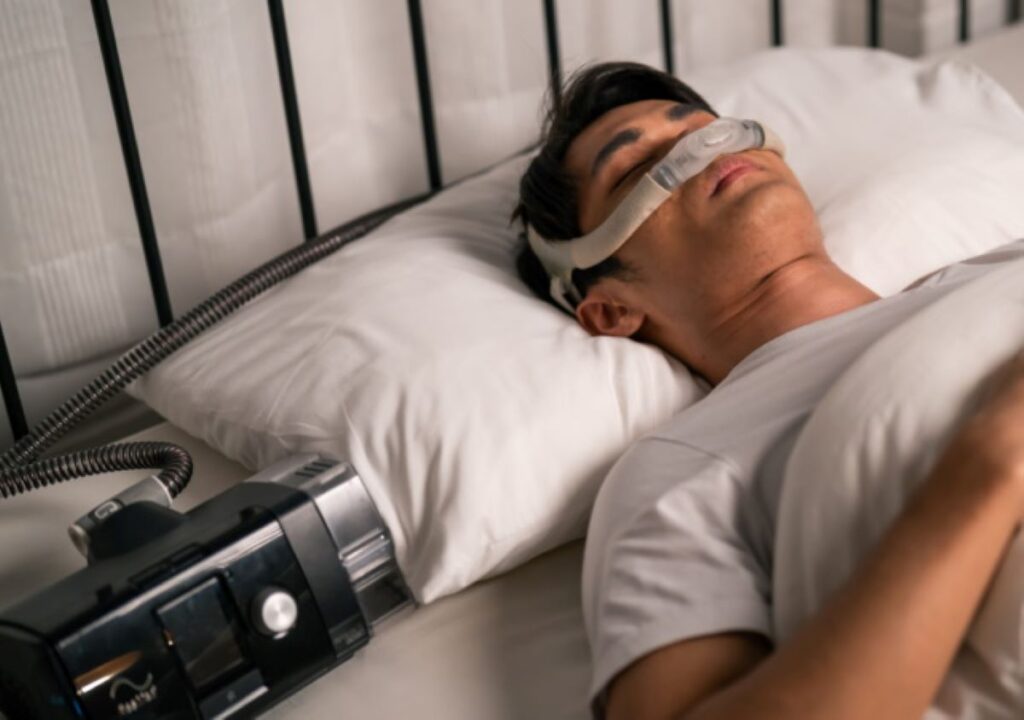
If obstructive sleep apnoea is confirmed, treatment may include CPAP therapy, which keeps the airway open using gentle air pressure. Some people may be offered an oral appliance (often via a dentist with sleep training) if appropriate for their anatomy and severity.

Weight management, reducing alcohol close to bedtime, treating nasal obstruction, positional therapy, and reviewing sedating medications can also play a role. The best plan depends on severity, symptoms, and individual preferences.

How can they decide if a home sleep study is right for them?

A home sleep study is often a practical first step when symptoms strongly suggest obstructive sleep apnoea and there are no major complicating medical issues. It offers convenience, comfort, and a faster path to answers for many people in Perth.

They should choose based on clinical advice, not convenience alone. If symptoms are complex, if safety is a concern, or if initial results do not explain how they feel, they may be better served by an in-lab study or specialist review.
sleep study perth bulk billed

Related : Sleep Study Sydney Cost: Medicare and Private Pricing Explained

FAQs (Frequently Asked Questions)

What is a home sleep study in Perth and how does it work?

A home sleep study in Perth is a take-home overnight test that records breathing and related signals to assess for sleep-disordered breathing, most commonly obstructive sleep apnoea. Patients wear a small monitor with sensors on the finger, chest or abdomen, and near the nose. These studies are arranged through a GP, sleep physician, or sleep clinic, with results interpreted by qualified professionals.

Who is suitable for a home sleep study in Perth?

Home sleep studies are typically suitable for individuals with moderate to high likelihood of obstructive sleep apnoea, indicated by symptoms such as loud habitual snoring, witnessed breathing pauses, waking with choking or gasping, and significant daytime sleepiness. It also suits those who prefer testing at home due to comfort, work schedules, caring responsibilities, or difficulty sleeping in unfamiliar environments.

What symptoms suggest that someone should consider a home sleep study?

Symptoms indicating consideration of a home sleep study include loud snoring most nights, feeling unrefreshed despite adequate time in bed, morning headaches, dry mouth on waking, irritability, poor concentration, and dozing off while reading or watching TV. Notably, if partners report pauses in breathing during sleep, assessment is strongly recommended even if the person feels they “sleep fine”.

How accurate are home sleep studies compared to in-lab studies?

For suspected obstructive sleep apnoea in straightforward cases, home sleep studies can be highly effective and widely used clinically. They often provide sufficient information to confirm diagnosis and guide treatment. However, they may miss or underestimate issues if sensors dislodge or if the problem is not primarily breathing-related. In such cases, in-lab studies may be more accurate.

When is an in-lab sleep study preferred over a home sleep study?

An in-lab sleep study is preferred when there are complex symptoms or medical factors requiring comprehensive monitoring. This includes suspected central sleep apnoea, certain heart or lung conditions, neuromuscular disorders, parasomnias, seizure concerns or unexplained insomnia. In-lab studies also provide brain-wave data necessary for analysing full sleep stages and unusual night-time behaviours.

What should patients expect during the process from referral to results for a home sleep study in Perth?

Patients usually start by consulting a GP or sleep specialist who reviews their symptoms and health history. If appropriate for a home study, equipment and instructions are provided with fitting guidance. After testing overnight at home following normal routines and preparation instructions (like avoiding caffeine), the device is returned for analysis. A follow-up appointment explains findings and outlines next steps such as CPAP therapy or further testing.
Sleep Study Sydney Cost: Medicare and Private Pricing Explained

Sleep Study Sydney Cost

This guide breaks down typical Sydney pricing, what Medicare may cover, and what private clinics usually charge.

What does a sleep study in Sydney typically cost?

Sleep study Sydney cost can vary depending on the type of test, with home sleep tests generally being more affordable. Many providers also charge additional fees for specialist consultations and follow-up appointments.

Here’s a rough guide to what you can expect:

  • Home sleep test: Typically ranges from a few hundred dollars up to around $1,000.
  • In-lab polysomnography: Generally costs between $1,000 and $3,500+, depending on the clinic and specifics of the study.

Keep in mind that actual prices will vary based on the clinic, the services included, and the urgency of the study. Always ask for a detailed quote for a clearer estimate.

What types of sleep studies affect the price?

The cost changes mainly because the setup and staff time differ.

Common types include:

  • Home Sleep Apnoea Test (HSAT): done at home with portable equipment, usually focused on breathing and oxygen.
  • In-lab polysomnography (PSG): done in a sleep lab with more sensors and overnight monitoring.
  • Split-night studies or CPAP titration: may cost more because they include treatment set-up and optimisation.

The more complex the study, the higher the fee tends to be.

What is included in the quoted price, and what is often extra?

Some clinics advertise a single bundled fee, while others break it into parts. They should ask for an itemised quote before booking.

Common inclusions:

  • Equipment hire (home tests) or lab bed and monitoring (in-lab)
  • Data scoring and report
  • Basic results delivery

Common extras:

  • Initial specialist consultation
  • GP or specialist referral handling fee (rare, but possible)
  • Follow-up appointment to discuss results
  • CPAP trial, mask fitting, or titration night
  • Extra reports for employers (for example, fitness-to-drive)

How does Medicare affect sleep study costs in Sydney?

Medicare can reduce out-of-pocket costs when the study meets the relevant requirements and is billed appropriately. In many cases, Medicare support is stronger for medically indicated testing with suitable documentation.

They will usually need a referral pathway that fits Medicare rules, and the provider must bill the correct Medicare item numbers. If the clinic is private and does not bulk bill, they may still receive a rebate and pay the gap.

Do they need a GP referral to claim Medicare benefits?

In practice, a referral is commonly needed for Medicare rebates tied to specialist care and many diagnostic pathways. Without it, they may be treated as a private patient paying the full amount.

They should ask the clinic directly whether a GP referral is required for the specific test and billing method they plan to use.

What is the difference between bulk billing and a Medicare rebate?

Bulk billing means the provider accepts the Medicare benefit as full payment, so they pay nothing (or very little) for that billed service. A Medicare rebate means they pay the provider’s fee upfront (or are invoiced), then Medicare refunds a set amount. Read more about bulk billing for all Australians.

Many sleep services in Sydney are mixed billing, so they may still face a gap even when Medicare applies.

What can they expect to pay privately if Medicare does not apply?

If they are paying fully privately, home testing is usually the cheapest route, and in-lab studies typically cost more due to overnight staffing and facilities.

Private pricing commonly rises when:

  • The clinic offers fast turnaround or short-notice bookings
  • A specialist consultation is included before or after the test
  • They need a second night (for example, titration)

They should request a written quote that lists exactly what they are paying for.

How does private health insurance change the cost?

Private health insurance may reduce costs for in-hospital style sleep studies, depending on the policy and whether the facility is an approved provider. Extras cover sometimes contributes to certain out-of-hospital services, but this varies widely.

They should check:

  • Whether the sleep lab is in-network for their insurer
  • Their waiting periods and annual limits
  • Any excess or co-payments
  • Whether the doctor’s fees are covered separately or still attract gaps

Even with insurance, they may pay out-of-pocket for consultations and interpretation fees.

Are public hospital sleep studies cheaper in Sydney?

Public hospital pathways can be cheaper, but access often comes with longer waiting times and stricter eligibility. Their GP may refer them to a public clinic if symptoms are significant and criteria are met.

For people who want speed and choice of provider, private testing is usually faster but costs more.

What other costs should they budget for after the sleep study?

The sleep study is often only the start. If they are diagnosed with obstructive sleep apnoea, ongoing costs can include equipment and follow-up.

Typical add-ons:

  • CPAP machine purchase or rental
  • Masks and replacement parts
  • Follow-up appointments to improve comfort and compliance

They should ask whether the clinic is independent or also sells CPAP, and whether they are free to take the prescription elsewhere.

Sleep Study Sydney Cost

How can they reduce the total cost without compromising care?

They can often cut costs by clarifying what test level is clinically appropriate and avoiding duplicated appointments.

Practical steps:

  • Ask whether a home study is suitable before booking an in-lab study
  • Request an itemised quote and confirm follow-up fees
  • Check Medicare and insurance eligibility before committing
  • Compare turnaround times and inclusions, not just the base fee
  • Confirm whether results include a written report and treatment plan

Learn more about home sleep study Perth: Is It Right for You?

What questions should they ask a Sydney provider before booking?

A short call can prevent surprise bills later.

They should ask:

  • What type of study is recommended and why?
  • Is the fee bundled, and what is excluded?
  • Is Medicare billing available, and what rebate is expected?
  • Will they need a consultation, and what does it cost?
  • How long until results are ready?
  • If CPAP is needed, do they provide prescriptions and choice of supplier?

What is the simplest way to estimate their out-of-pocket cost?

They will get the clearest estimate by combining three numbers: the provider’s fee, the Medicare rebate (if any), and the insurer contribution (if any). The clinic can usually provide an estimate, but they should still confirm rebates with Medicare and their insurer.

If a provider cannot explain the likely gap clearly, they should treat that as a red flag and shop around.

Sleep Study Sydney Cost

FAQs (Frequently Asked Questions)

What is the typical cost of a sleep study in Sydney?

In Sydney, the cost of a sleep study varies depending on the type of test. Home sleep tests usually cost a few hundred dollars up to around $1,000, while in-lab overnight polysomnography can range from approximately $1,000 to over $3,500. Prices also vary based on clinic, inclusions, and urgency.

How do different types of sleep studies affect the price?

The cost depends on the complexity and setup of the sleep study. Home Sleep Apnoea Tests (HSAT) are generally cheaper as they use portable equipment at home focusing mainly on breathing and oxygen levels. In-lab polysomnography (PSG) involves overnight monitoring with more sensors and tends to be more expensive. Split-night studies or CPAP titration usually cost more due to treatment setup and optimisation.

What costs are typically included in a sleep study quote, and what extras might I expect?

Quotes may include equipment hire for home tests or lab monitoring for in-lab studies, data scoring, report generation, and basic results delivery. Extras often comprise initial specialist consultations, GP or specialist referral fees (rare), follow-up appointments, CPAP trials or mask fittings, titration nights, and additional reports such as fitness-to-drive documentation.

How does Medicare impact the cost of sleep studies in Sydney?

Medicare can reduce out-of-pocket expenses when the sleep study meets specific medical criteria and is billed correctly using appropriate Medicare item numbers. Usually, a GP referral is required to qualify for Medicare rebates. Private clinics may not bulk bill but can still provide rebates with patients paying any remaining gap.

Can private health insurance help reduce sleep study costs?

Private health insurance may lower costs for in-hospital style sleep studies depending on your policy and whether the facility is an approved provider. Extras cover might contribute towards some out-of-hospital services but varies widely. It’s important to check if the lab is in-network, waiting periods, annual limits, excesses or co-payments, and whether doctors’ fees are covered or attract gaps.

Are public hospital sleep studies a cheaper option in Sydney?

Public hospital sleep studies can be less expensive but often come with longer waiting times and stricter eligibility criteria. Referrals through your GP are necessary if symptoms meet certain thresholds. For faster access and choice of provider, private testing is usually preferred though it tends to cost more.