Tag Archives: sleep test perth

Home Sleep Study Perth: Is It Right for You?

sleep study perth bulk billed

Still, a home test is not the best fit for everyone. The right choice depends on symptoms, medical history, and what a clinician needs to measure.

What is a home sleep study in Perth?

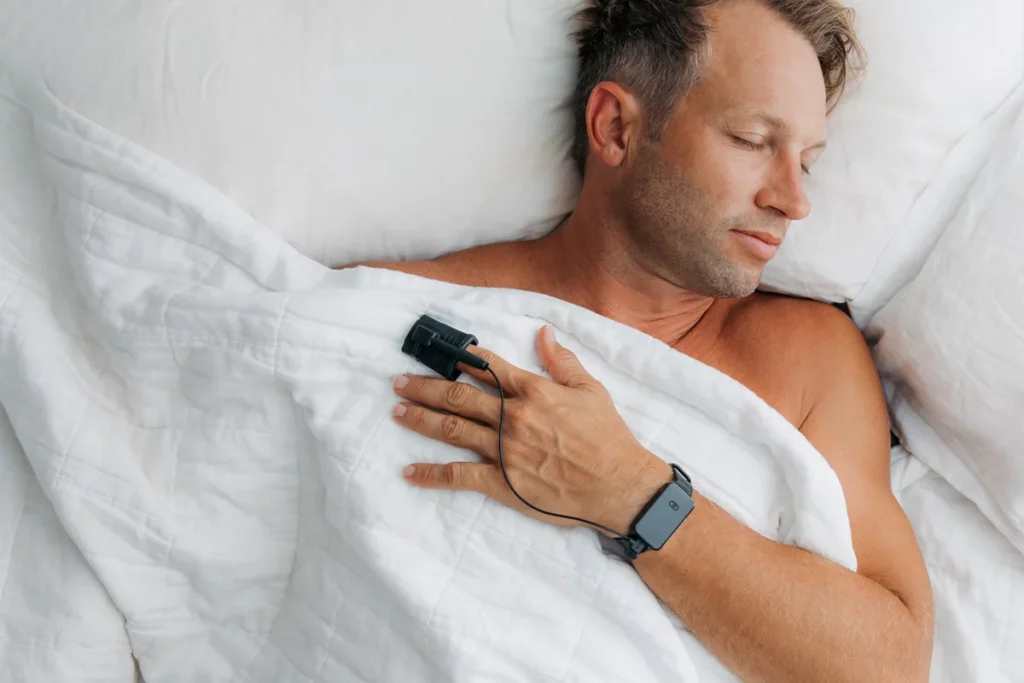
A home sleep study is a take-home test that records breathing and related signals overnight to assess for sleep-disordered breathing, most commonly obstructive sleep apnoea. During the test, the patient usually wears a small monitor with sensors placed on the finger, chest or abdomen, and near the nose.

If you’re searching for a sleep study Perth bulk billed option, it’s important to note that eligibility often depends on your referral, Medicare criteria, and the provider. In Perth, home sleep studies are typically arranged through a GP, a sleep physician, or a sleep clinic, with results interpreted by qualified professionals.

Who is a home sleep study usually right for?

A home sleep study is often suitable for people with a moderate to high likelihood of obstructive sleep apnoea. Common clues include loud habitual snoring, witnessed breathing pauses, waking with choking or gasping, and significant daytime sleepiness.

It can also suit people who prefer testing at home due to comfort, work schedules, caring responsibilities, or difficulty sleeping in unfamiliar environments.

What symptoms suggest they should consider one?

They may consider a home sleep study if they snore loudly most nights and feel unrefreshed despite adequate time in bed. Morning headaches, dry mouth on waking, irritability, poor concentration, and dozing off while reading or watching TV can also be relevant.

If partners report pauses in breathing, that is a particularly strong reason to seek assessment, even if the person feels they “sleep fine”. You may like to visit https://www.betterhealth.vic.gov.au/health/conditionsandtreatments/sleep-deprivation to get more about sleep deprivation.

What does a home sleep study actually measure?

Most home sleep studies measure airflow, oxygen saturation, breathing effort, and heart rate, then estimate breathing interruptions such as apnoeas and hypopnoeas. Some devices also record body position and snoring.

What they usually do not measure is full sleep staging via brain waves, which is why they can be less suitable for diagnosing conditions beyond breathing-related sleep disorders.

How accurate are home sleep studies compared with lab studies?

For suspected obstructive sleep apnoea in otherwise straightforward cases, home sleep studies can be highly effective and are widely used in clinical practice. They often provide enough information to confirm the diagnosis and guide treatment.

However, they may miss or underestimate issues if sensors dislodge, if sleep time is hard to estimate, or if the suspected problem is not primarily breathing-related.

When is an in-lab sleep study a better choice?

An in-lab study may be better when there are complex symptoms or medical factors that require more comprehensive monitoring. This can include suspected central sleep apnoea, certain heart or lung conditions, neuromuscular disorders, parasomnias, seizure concerns, or unexplained insomnia.

If a clinician needs brain-wave data to analyse sleep stages, arousals, or unusual night-time behaviours, a laboratory study is usually the more appropriate test.

What is the process like from referral to results in Perth?

They typically start by speaking to a GP or sleep specialist, who reviews symptoms, risk factors, medications, and relevant health history. If a home study is appropriate, the clinic provides equipment and instructions, sometimes with a short in-person fitting or a video walkthrough.

After the night of testing, the device is returned, data is analysed, and a report is issued. A follow-up appointment usually explains the findings and outlines next steps, such as CPAP trials, lifestyle changes, or further testing.

What should they do to prepare for the night of testing?

They should follow the clinic’s instructions carefully and aim for a “normal” night that reflects typical sleep. That usually means avoiding unusual caffeine or alcohol intake, keeping their standard bedtime, and ensuring sensors are applied securely.

If they use nail varnish or acrylic nails, it can interfere with some finger oxygen sensors, so they may need to remove it beforehand. They should also tell the clinic about nasal congestion, as it can affect airflow readings.

What happens if the home study is inconclusive?

If the recording is incomplete or results do not match symptoms, a clinician may recommend repeating the home study or progressing to an in-lab assessment. Inconclusive results do not mean “nothing is wrong”; they often mean the test could not capture enough reliable data.

They should also ask whether other conditions might explain symptoms, such as restless legs syndrome, circadian rhythm issues, medication effects, anxiety, or depression.

What treatment options might follow a positive result?

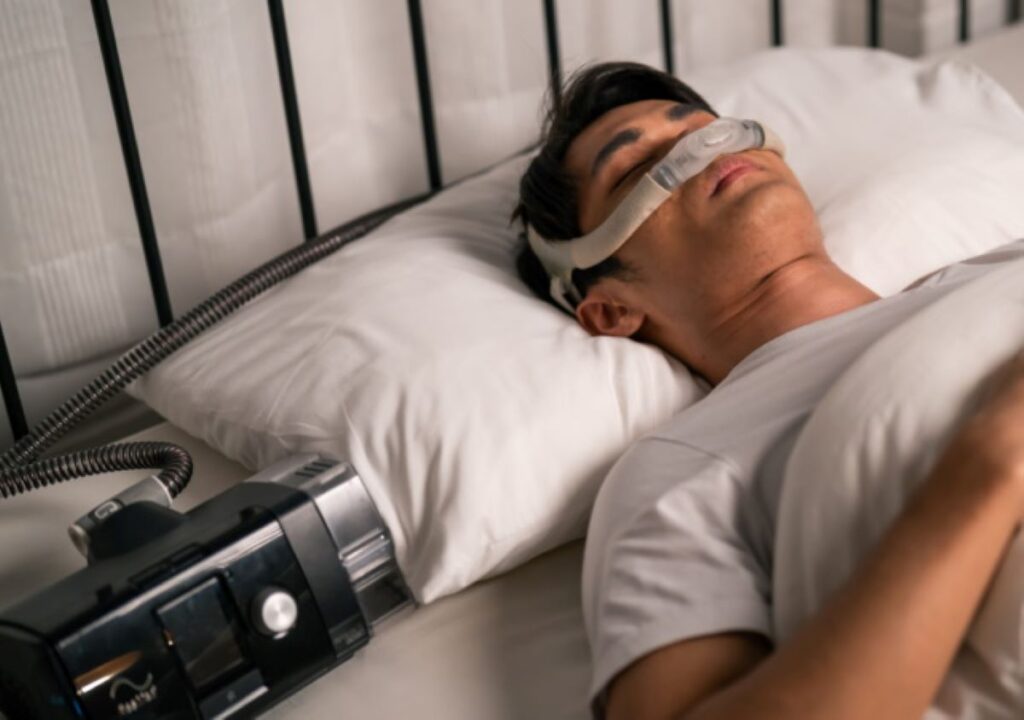
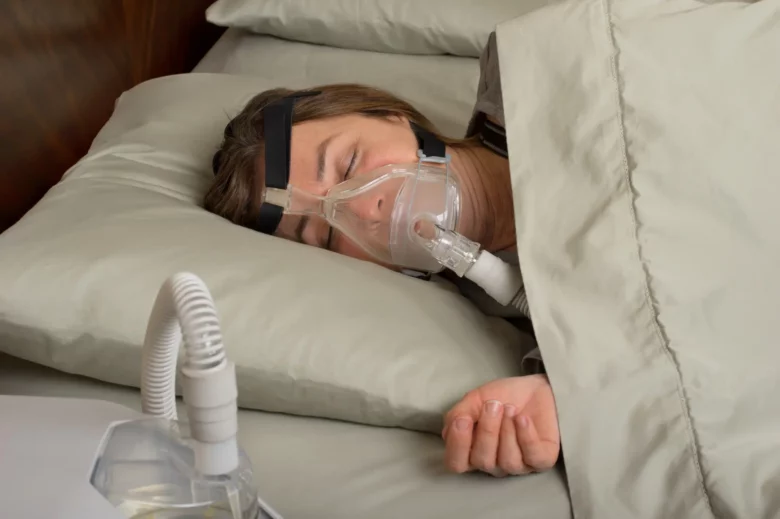
If obstructive sleep apnoea is confirmed, treatment may include CPAP therapy, which keeps the airway open using gentle air pressure. Some people may be offered an oral appliance (often via a dentist with sleep training) if appropriate for their anatomy and severity.

Weight management, reducing alcohol close to bedtime, treating nasal obstruction, positional therapy, and reviewing sedating medications can also play a role. The best plan depends on severity, symptoms, and individual preferences.

How can they decide if a home sleep study is right for them?

A home sleep study is often a practical first step when symptoms strongly suggest obstructive sleep apnoea and there are no major complicating medical issues. It offers convenience, comfort, and a faster path to answers for many people in Perth.

They should choose based on clinical advice, not convenience alone. If symptoms are complex, if safety is a concern, or if initial results do not explain how they feel, they may be better served by an in-lab study or specialist review.
sleep study perth bulk billed

Related : Sleep Study Sydney Cost: Medicare and Private Pricing Explained

FAQs (Frequently Asked Questions)

What is a home sleep study in Perth and how does it work?

A home sleep study in Perth is a take-home overnight test that records breathing and related signals to assess for sleep-disordered breathing, most commonly obstructive sleep apnoea. Patients wear a small monitor with sensors on the finger, chest or abdomen, and near the nose. These studies are arranged through a GP, sleep physician, or sleep clinic, with results interpreted by qualified professionals.

Who is suitable for a home sleep study in Perth?

Home sleep studies are typically suitable for individuals with moderate to high likelihood of obstructive sleep apnoea, indicated by symptoms such as loud habitual snoring, witnessed breathing pauses, waking with choking or gasping, and significant daytime sleepiness. It also suits those who prefer testing at home due to comfort, work schedules, caring responsibilities, or difficulty sleeping in unfamiliar environments.

What symptoms suggest that someone should consider a home sleep study?

Symptoms indicating consideration of a home sleep study include loud snoring most nights, feeling unrefreshed despite adequate time in bed, morning headaches, dry mouth on waking, irritability, poor concentration, and dozing off while reading or watching TV. Notably, if partners report pauses in breathing during sleep, assessment is strongly recommended even if the person feels they “sleep fine”.

How accurate are home sleep studies compared to in-lab studies?

For suspected obstructive sleep apnoea in straightforward cases, home sleep studies can be highly effective and widely used clinically. They often provide sufficient information to confirm diagnosis and guide treatment. However, they may miss or underestimate issues if sensors dislodge or if the problem is not primarily breathing-related. In such cases, in-lab studies may be more accurate.

When is an in-lab sleep study preferred over a home sleep study?

An in-lab sleep study is preferred when there are complex symptoms or medical factors requiring comprehensive monitoring. This includes suspected central sleep apnoea, certain heart or lung conditions, neuromuscular disorders, parasomnias, seizure concerns or unexplained insomnia. In-lab studies also provide brain-wave data necessary for analysing full sleep stages and unusual night-time behaviours.

What should patients expect during the process from referral to results for a home sleep study in Perth?

Patients usually start by consulting a GP or sleep specialist who reviews their symptoms and health history. If appropriate for a home study, equipment and instructions are provided with fitting guidance. After testing overnight at home following normal routines and preparation instructions (like avoiding caffeine), the device is returned for analysis. A follow-up appointment explains findings and outlines next steps such as CPAP therapy or further testing.
The True Cost of Sleep Apnea Tests in Australia

sleep apnea test cost australia

Sleep apnea is a sleep disorder that affects millions of people worldwide. In Australia alone, it is estimated that over 1 million individuals suffer from this condition. Sleep apnea can have serious health implications if left undiagnosed and untreated, making sleep apnea tests crucial for early detection and effective management. However, the cost of these tests can vary significantly, and understanding the true expenses involved is essential for individuals seeking diagnosis and treatment.

Understanding Sleep Apnea Cost

By exploring financial assistance programs and cost-effective alternatives, individuals can effectively manage the expenses associated with sleep apnea tests cost Australia and pave the way for better sleep and well-being. It is important to prioritize seeking diagnosis and treatment for sleep apnea, as untreated sleep apnea can lead to various health complications and significantly impact overall quality of life.

What is Sleep Apnea?

Sleep apnea is a complex sleep disorder that affects millions of people worldwide. It is characterized by pauses in breathing or periods of shallow breathing during sleep, disrupting the normal sleep cycle. These interruptions can occur multiple times throughout the night, leading to fragmented sleep patterns and a decrease in oxygen levels in the body. The three main types of sleep apnea are obstructive sleep apnea (OSA), central sleep apnea (CSA), and complex sleep apnea syndrome (CompSA), each with its own unique characteristics and challenges.

sleep apnea test cost australia

Symptoms and Risks of Sleep Apnea

The symptoms of sleep apnea can range from mild to severe, impacting both physical and mental well-being. Common signs of sleep apnea include loud snoring, daytime fatigue, morning headaches, difficulty concentrating, irritability, and episodes of gasping or choking during sleep. These symptoms can significantly affect a person’s quality of life, leading to decreased productivity and an increased risk of accidents due to daytime drowsiness. Furthermore, untreated sleep apnea can have serious implications for long-term health, as it is associated with conditions such as high blood pressure, heart disease, stroke, diabetes, and obesity, underscoring the importance of timely diagnosis and intervention.

The Importance of Sleep Apnea Tests

Diagnosing Sleep Apnea

Proper diagnosis of sleep apnea is crucial for effective treatment. Sleep apnea tests, also known as sleep studies or polysomnography, are conducted to evaluate sleep patterns, breathing, and other physiological parameters during sleep. These tests help healthcare professionals determine the presence and severity of sleep apnea.

During a sleep study, various sensors are attached to the individual to monitor different aspects such as brain waves, heart rate, oxygen levels, and muscle activity. This comprehensive data allows specialists to identify interruptions in breathing patterns, the frequency of apnea episodes, and the impact on the individual’s overall sleep quality.

Benefits of Early Detection

Early detection and treatment of sleep apnea can significantly improve the quality of life for individuals affected by this condition. By addressing sleep apnea, individuals are more likely to experience better sleep, increased daytime alertness, improved cognitive function, reduced risk of accidents, and decreased chances of developing associated health problems.

Moreover, untreated sleep apnea has been linked to serious health conditions such as hypertension, heart disease, stroke, and diabetes. By undergoing a sleep apnea test and receiving timely treatment, individuals can lower their risk of developing these potentially life-threatening conditions, leading to a healthier and more fulfilling life.

Breakdown of Sleep Apnea Test Costs in Australia

Types of Sleep Apnea Tests

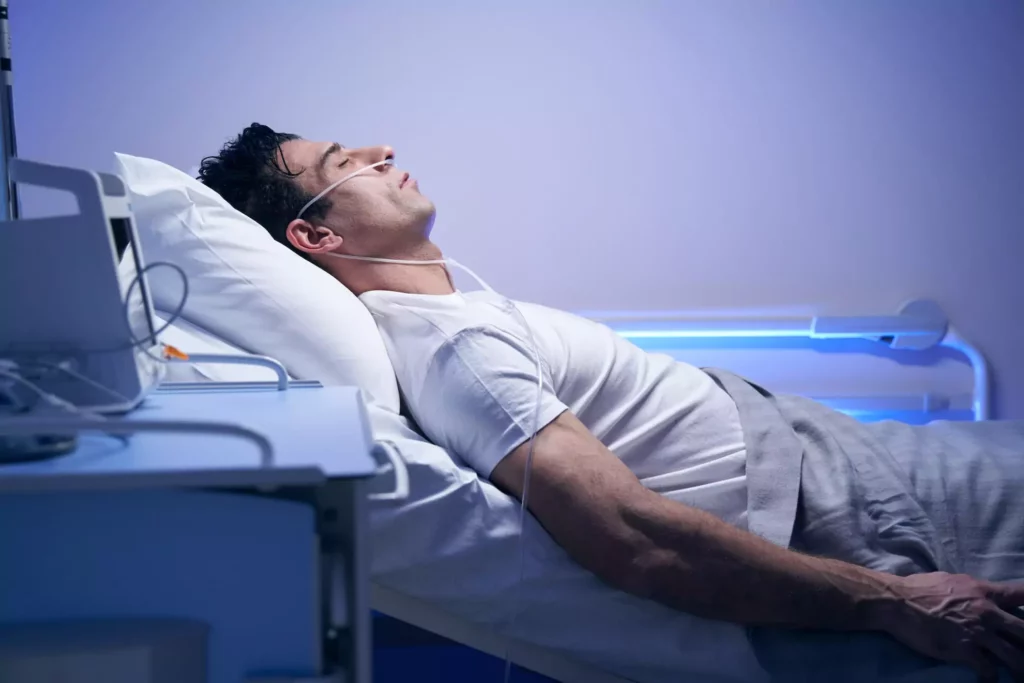
There are several types of sleep apnea tests available, and the choice of test depends on the individual’s symptoms, medical history, and healthcare provider’s recommendation. The most common types of sleep apnea tests include in-lab polysomnography, home sleep apnea testing, and split-night testing.

In-lab polysomnography, also known as a sleep study, is conducted in a specialized sleep center where the patient spends a night while various body functions are monitored. Home sleep apnea testing involves the use of portable monitoring devices that the individual can use in the comfort of their own home. Split-night testing combines aspects of both in-lab and home testing, where the first half of the night is used for diagnosis and the second half for treatment with a continuous positive airway pressure (CPAP) machine.

Average Costs of Different Tests

The cost of sleep apnea tests in Australia can vary depending on factors such as the type of test, the location of the testing facility, and the individual’s health insurance coverage. On average, in-lab polysomnography can cost anywhere between $1,000 and $2,000, while home sleep apnea testing is relatively more affordable, ranging from $200 to $500. Split-night testing falls within a similar price range as in-lab polysomnography.

It’s important to note that these costs may not include additional fees for specialist consultations, interpretation of results, or any required follow-up appointments. Health insurance coverage can significantly impact out-of-pocket expenses for sleep apnea testing, with some policies covering a portion or all of the costs. Patients are advised to check with their insurance provider and the testing facility to understand the full financial implications of undergoing a sleep apnea test.

Factors Influencing the Cost of Sleep Apnea Tests

Insurance Coverage and Out-of-Pocket Expenses

The cost of sleep apnea tests can be influenced by an individual’s health insurance coverage. It’s essential to review the terms and conditions of the insurance policy to understand the extent of coverage provided for sleep apnea testing. Out-of-pocket expenses such as deductibles, co-pays, and co-insurance may still apply, so it’s advisable to confirm the details with the insurance provider in advance. Additionally, some insurance plans may require pre-authorization for sleep apnea testing, adding another layer of complexity to the process.

The Role of Healthcare Providers

The cost of sleep apnea tests may also vary depending on the healthcare provider and the location of the testing facility. Different providers may have different pricing structures and fee schedules for sleep apnea testing. It is recommended to consult with multiple healthcare providers and compare costs to ensure the most affordable options are considered. Furthermore, some healthcare providers offer package deals or discounts for bundled services, so it’s worth exploring all available options to potentially save on overall costs.

Moreover, the experience and expertise of the healthcare provider conducting the sleep apnea test can also impact the overall cost. Providers with specialized training and advanced certifications in sleep medicine may charge higher fees for their services. However, opting for a more experienced provider can offer added peace of mind regarding the accuracy and thoroughness of the test results. It’s important to weigh the cost against the quality of care provided to make an informed decision that prioritizes both financial considerations and healthcare outcomes.

sleep apnea test cost australia

Ways to Manage the Cost of Sleep Apnea Tests

Financial Assistance Programs

For individuals facing financial constraints, there may be financial assistance programs available to help manage the cost of sleep apnea tests. These programs can provide financial support or discounted rates for individuals who meet specific eligibility criteria. It is advisable to inquire about such programs with relevant healthcare organizations or government agencies.

One such program is the Sleep Apnea Assistance Program (SAAP), which aims to assist individuals who are unable to afford the full cost of sleep apnea tests. SAAP offers financial aid to eligible applicants, helping them access the necessary diagnostic tests and treatments. The program considers various factors, including income level, insurance coverage, and medical necessity, to determine the level of support provided.

In addition to SAAP, there are other organizations and foundations that offer financial assistance for sleep apnea tests. These include the Sleep Apnea Foundation, which provides grants to individuals in need, and local community health centers that offer sliding-scale fees based on income. Exploring these options can significantly alleviate the financial burden associated with sleep apnea testing.

Cost-Effective Alternatives for Testing

In some cases, depending on the individual’s symptoms and the healthcare provider’s assessment, there may be cost-effective alternatives to traditional sleep apnea testing. These alternatives may include home sleep apnea testing kits, which are typically more affordable than in-lab polysomnography. However, it’s essential to discuss these options with a healthcare professional to ensure their suitability and effectiveness for accurate diagnosis and treatment.

Home sleep apnea testing kits are portable devices that individuals can use in the comfort of their own homes. These kits usually consist of a small device worn on the wrist or finger, which measures various parameters such as oxygen levels, heart rate, and breathing patterns during sleep. The data collected by the device is then analyzed by a sleep specialist to determine the presence and severity of sleep apnea.

While home sleep apnea testing kits can be a more affordable option, they may not be suitable for everyone. Individuals with complex medical conditions or those requiring additional monitoring may still need to undergo in-lab polysomnography. Therefore, it is crucial to consult with a healthcare professional to determine the most appropriate testing method based on individual circumstances.

Learn about sleep test on: Comprehensive Sleep Testing in Sydney