The quality of your sleep dictates the quality of your life. For thousands of Australians living with Obstructive Sleep Apnea (OSA), CPAP machines are the gold standard for restoring energy, cognitive function, and long-term cardiovascular health. Whether you are newly diagnosed or looking to upgrade your current device, navigating the landscape of sleep therapy technology can be complex.
In this comprehensive guide, we analyze the latest advancements in sleep surfaces, pressure algorithms, and how to securely purchase CPAP machines online in Australia to ensure you receive the clinical support and device longevity you deserve.
What is a CPAP Machine?
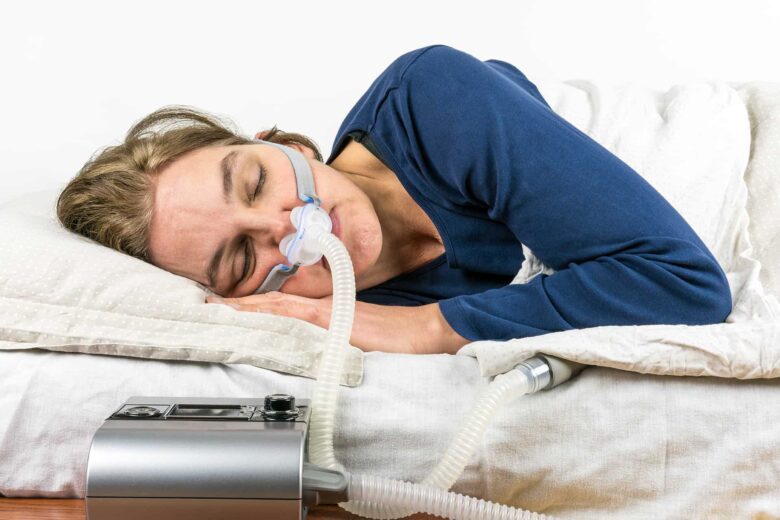
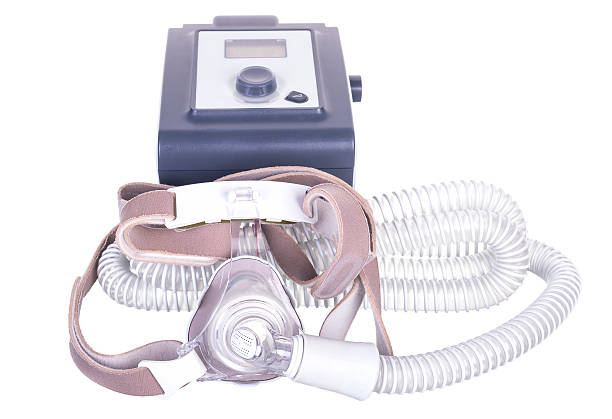
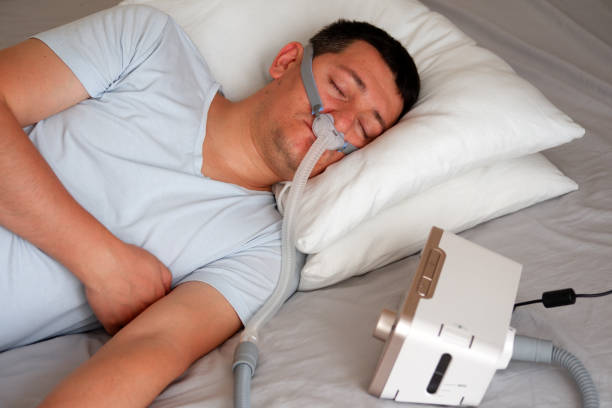
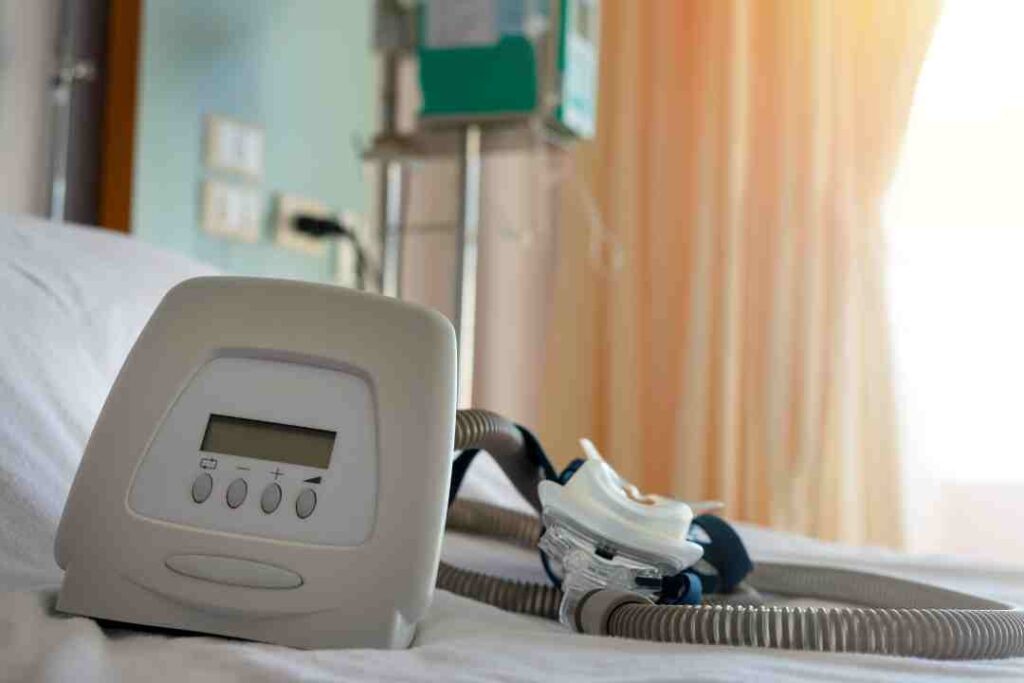
A Continuous Positive Airway Pressure (CPAP) machine is a medical device designed to treat sleep apnea. It works by delivering a steady stream of pressurized air through a mask, which acts as an “air splint” to keep your upper airway open during sleep.
In Australia, these devices are regulated by the Therapeutic Goods Administration (TGA), ensuring they meet strict safety and efficacy standards. While the core technology remains consistent, modern units have evolved into whisper-quiet, data-driven hubs that track your therapy progress in real-time.
How CPAP Therapy Works: The Science of Airway Patency
Understanding how CPAP machines function is essential for long-term compliance. When you sleep, the muscles in your throat relax. For those with OSA, these muscles relax too much, causing the airway to collapse.
The Mechanism of Action
- Intake: The machine draws in ambient room air.
- Filtration: High-efficiency particulate filters remove dust and allergens.
- Pressurization: The internal motor compresses the air to a specific setting (measured in $cmH_2O$).
- Humidification: Air passes over a heated water chamber to prevent dryness.
- Delivery: The air travels through a tube and mask, maintaining a constant pressure that prevents apneas (breathing pauses).
Fixed vs. Automatic Pressure (APAP)
- Fixed-Pressure CPAP: Delivers one constant pressure level throughout the night.
- Auto-CPAP (APAP): Uses algorithms to detect resistance and adjusts pressure breath-by-breath. This is often preferred in the Australian market for its increased comfort.
Key Benefits of Using CPAP Machines
The transition to CPAP therapy is often life-changing. Beyond simply “stopping snoring,” the clinical benefits impact almost every organ system.
Immediate Benefits
- Reduced Daytime Fatigue: Eliminate the “brain fog” associated with fragmented sleep.
- Improved Mood: Reduced irritability and lower risks of depression linked to sleep deprivation.
- Silent Sleep: A significant benefit for partners who are often kept awake by loud snoring.
Long-Term Health Outcomes
- Cardiovascular Health: Lowers the risk of hypertension, stroke, and heart failure.
- Metabolic Function: Better blood sugar regulation, which is vital for managing Type 2 Diabetes.
- Cognitive Longevity: Ongoing research suggests effective OSA treatment may reduce the risk of long-term cognitive decline.
Real-World Use Cases: Finding Your Fit
Not every user has the same requirements. Here are three common scenarios for Australians seeking CPAP machines:
| User Profile | Recommended Setup | Key Feature Needed |
| The Frequent Flyer | Travel CPAP (e.g., ResMed AirMini) | Portability & Waterless Humidification |
| The Light Sleeper | High-end APAP with ultra-quiet motor | Noise levels under 27dB |
| The Sensitive User | Device with EPR (Expiratory Pressure Relief) | Lower pressure during exhalation |
Step-by-Step: How to Choose and Buy CPAP Machines Online
Buying CPAP machines online in Australia offers convenience and competitive pricing. Follow this framework to ensure a successful purchase:
1. Obtain Your Prescription
In Australia, you must have a valid prescription from a GP or Sleep Specialist. This document specifies whether you need a fixed-pressure or an automatic machine.
2. Choose the Device Category
Decide between a bedside unit (intended for nightly home use) or a travel unit. Most Australians start with a premium bedside unit like the ResMed AirSense or Fisher & Paykel SleepStyle series.
3. Select a Compatible Mask
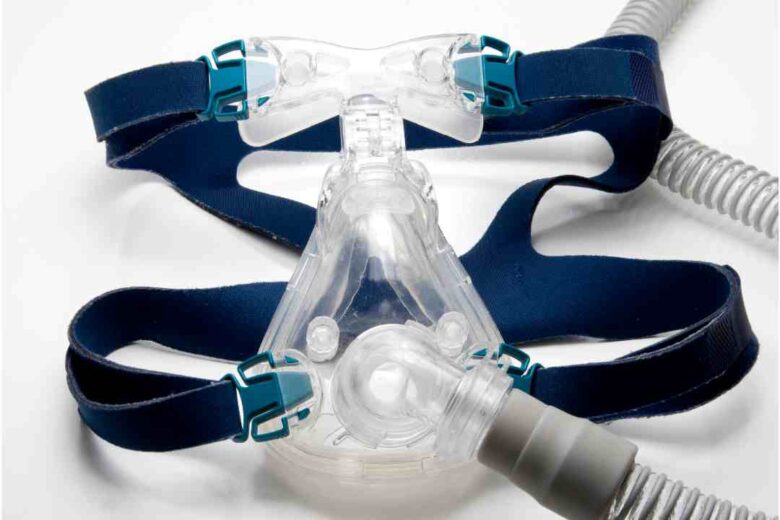
The mask is arguably more important than the machine for comfort. Options include:
- Nasal Pillows: Minimal contact, great for active sleepers.
- Nasal Masks: Covers the nose; a middle-ground option.
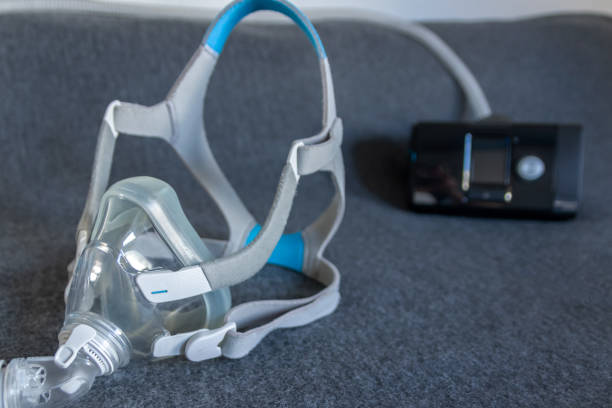
- Full Face Masks: Covers the mouth and nose; essential for mouth breathers.
4. Verify Australian Warranty
When purchasing online, ensure the retailer is an authorized Australian dealer. This guarantees a local warranty and access to local repair centers.
Best Practices for CPAP Success
To achieve the best clinical outcomes, follow these expert-led best practices:
- The 2-Week Ramp Up: Wear your mask while watching TV for 30 minutes a day to desensitize your facial nerves before trying to sleep with it.
- Daily Maintenance: Empty the water tub every morning to prevent mineral buildup and microbial growth.
- Use Distilled Water: While Australian tap water is generally safe, distilled water extends the life of your humidifier chamber significantly.
- Annual Data Review: Upload your SD card data or check your therapy app (like myAir) to ensure your “Leak Rate” and “AHI” (Apnea-Hypopnea Index) remain low.
Common Mistakes to Avoid
- Buying Without a Trial: Many Australian clinics offer “CPAP Trials.” It is highly recommended to trial a machine before committing to a purchase.
- Neglecting Filter Changes: A blocked filter forces the motor to work harder, leading to overheating and premature mechanical failure.
- Incorrect Pressure Settings: Never adjust your machine’s clinical settings without consulting your sleep technician.
- Ignoring Mask Leaks: A loud “hissing” sound usually means your mask is the wrong size, rendered ineffective by a poor seal.
Comparison of Leading CPAP Models in Australia (2026)
| Feature | ResMed AirSense 11 | F&P SleepStyle | Philips DreamStation 2 |
| Weight | 1.13 kg | 1.70 kg | 1.04 kg |
| Connectivity | Bluetooth / 4G / 5G | Bluetooth | Bluetooth / Wi-Fi |
| User Interface | Color Touchscreen | Simple Buttons | Color Touchscreen |
| Humidifier | Integrated | Integrated | Integrated |
Internal Linking Suggestions
- Anchor Text: “Best CPAP masks for side sleepers”
- Anchor Text: “How to clean your CPAP equipment”
- Anchor Text: “Sleep apnea symptoms checklist”
- Anchor Text: “Travel CPAP battery guide Australia”
Authoritative External References
- Sleep Health Foundation (Australia): Use for factual data regarding sleep disorder prevalence in the Australian population.
- Medicare Australia (Department of Health): Use for information regarding rebates and the “External CPAP Equipment Scheme” in specific states like QLD or NSW.
Frequently Asked Questions (FAQ)
What is the average price of CPAP machines in Australia?
Prices typically range from $1,200 to $2,500 AUD for a complete setup, including the machine, humidifier, and mask. Travel-specific models usually sit between $800 and $1,500.
Can I get a Medicare rebate for a CPAP machine?
Medicare does not generally provide a direct rebate for the purchase of the machine itself. However, many private health insurance providers in Australia offer significant rebates under “Extras” cover. Check with your provider for specific “Health Management” limits.
How often should I replace my CPAP mask?
For hygiene and seal integrity, it is recommended to replace the mask cushion every 3–6 months and the entire mask frame/headgear every 12 months.
Are CPAP machines loud?
Modern CPAP machines are exceptionally quiet. Most premium models operate at around 26–30 decibels, which is equivalent to a quiet whisper or rustling leaves.
Can I travel with my CPAP machine?
Yes. CPAP machines are considered medical devices and do not count toward your carry-on luggage limit on most Australian airlines (Qantas, Virgin, Jetstar). Always carry your prescription when traveling internationally.
Do I need to use the humidifier?
While not strictly required for therapy, the humidifier is essential for comfort in the dry Australian climate or when using air conditioning. It prevents “CPAP mouth” (extreme dryness) and nasal congestion.
Conclusion
Investing in one of the high-quality CPAP machines available today is an investment in your future health. By selecting a device that matches your lifestyle—whether it’s a feature-rich bedside unit or a compact travel companion—you can effectively manage sleep apnea and reclaim your vitality.
When looking to buy CPAP machines online, prioritize retailers that offer Australian-based support and comprehensive data monitoring.