
Is LASIK only for people who are “too lazy” to wear glasses?
No. People choose it for convenience, lifestyle, work, or comfort, not laziness. Many Australians manage glasses or contacts just fine, then decide they want fewer hassles at the beach, on the job site, or during sport.
LASIK can be a preference, not a shortcut. The goal is simply to reduce dependence on glasses or contacts where suitable.
Does LASIK always hurt?
No. During LASIK surgery, most people report pressure rather than pain because numbing drops are used. Afterward, some experience gritty, dry, or watery eyes for a short period, which is usually managed with drops and rest.
Discomfort varies by person, but the “it’s agony” story is not typical. Any clinic should explain what sensations to expect and what is normal during recovery.
Is LASIK unsafe because it uses a laser on the eye?
No. The “laser equals dangerous” idea is a misunderstanding of modern eye procedures. In Australia, suitable patients are assessed carefully, and the equipment and protocols are designed for precision and safety.
That said, LASIK surgery is still a medical procedure, so there are risks and trade-offs. A proper pre-op assessment is where safety is decided for the individual, not by internet anecdotes.
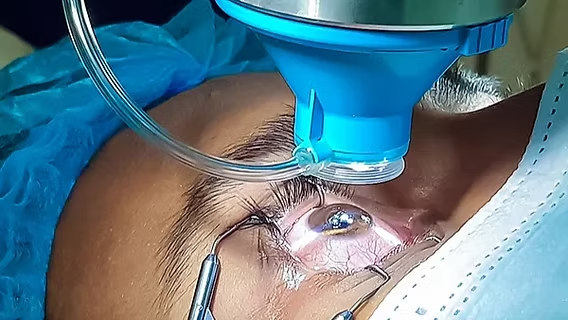
Can anyone get LASIK if they can afford it?
No. Eligibility depends on eye health, prescription stability, corneal thickness, and other factors. Many Australians are advised to wait, choose a different option, or avoid laser vision correction altogether.
This is why a consult matters more than a price. A reputable provider will prioritise suitability over sales, especially when LASIK surgery is not the best fit.
Does LASIK make people go blind?
No. The “instant blindness” myth is one of the most persistent fears, but it is not how the procedure is typically described in real clinical settings. Serious complications are rare, and screening aims to reduce risk further.
If someone is worried, they should ask the clinic to explain risks in plain language, including how complications are managed in Australia if they occur after LASIK surgery.
Is LASIK only for young people in their 20s?
No. Many patients are in their 30s or 40s, and some are older, depending on their eyes and goals. Age alone is not the deciding factor.
What matters is eye health and prescription stability. An optometrist or surgeon may also discuss age-related focus changes, since reading vision often shifts with time regardless of LASIK surgery.
Will LASIK stop ageing changes like needing reading glasses?
No. Presbyopia after laser eye surgery can still occur because the age-related need for reading help continues even when distance vision improves. Some people assume laser vision correction “locks in” perfect vision for life, but the eyes naturally continue to change over time.
A good consult will clarify realistic outcomes. For some, LASIK surgery can reduce dependence on glasses for distance but not eliminate the need for readers later.
Does LASIK guarantee 20/20 vision for everyone?
No. Many people get excellent results, but “guaranteed perfect vision” is marketing language, not a promise that fits every eye. Outcomes depend on the starting prescription, healing response, and individual eye anatomy.
Clinics in Australia should discuss the likely range of results and what “success” means for that person. The aim of LASIK surgery is often reduced dependence on corrective lenses, not perfection.
Is LASIK recovery always long and disruptive?
No. Many people return to normal routines quickly, though they still need to follow aftercare instructions. They may be advised to take time off work, avoid swimming, and skip eye makeup for a period.
Recovery is not identical for everyone, but the idea that LASIK surgery means weeks of downtime is usually overstated. They should plan properly, then follow the timeline the clinic gives them.
Is LASIK risky because complications are “common”?
No. Complications can happen, but “common” is a misleading word. Dry eye symptoms, glare, or halos can occur, particularly early on, and many cases settle with time and treatment.
The right approach is to discuss probabilities and personal risk factors. A thorough pre-op assessment is what helps set expectations before LASIK surgery.
Does LASIK mean they will never need glasses again?
Not necessarily. Some people still need glasses for certain tasks, and some may need them later in life. Others may experience small prescription shifts over time.
It helps to think in terms of “less reliance” rather than “never again.” For many Australians, LASIK surgery is about freedom in day-to-day life, not a lifetime guarantee.
Is LASIK the same as other laser eye procedures?
No. LASIK is one type of laser vision correction, and alternatives like PRK or SMILE may be recommended depending on corneal thickness, lifestyle, or dryness risk. People sometimes assume every laser option is identical, then get confused by different recovery experiences.
A clinic should explain why one option suits them best. If they are not a good candidate for LASIK surgery, that does not automatically mean they have no options.
Should people avoid LASIK because they heard “horror stories”?
Not automatically. Online stories are often missing context like pre-existing dry eye, unsuitable candidacy, skipped aftercare, or unrealistic expectations. One person’s bad experience should not replace medical screening and personalised advice.
The sensible path is to book an assessment with an Australian provider, ask direct questions, and compare recommendations. If they feel rushed into LASIK surgery, they can walk away and seek a second opinion.
Is LASIK “too expensive” compared with glasses and contacts?
It depends. Upfront cost can feel high, but some people compare it against years of contact lenses, solutions, prescription sunglasses, and regular script updates. Others simply prefer predictable ongoing costs and decide surgery is not for them.
Either choice can be rational. The myth is that there is only one “smart” decision, when the best option depends on lifestyle and priorities around LASIK surgery.
Do they need perfect eyes and perfect health for LASIK?
No. They do need suitable eyes, but “perfect” is not the standard. What matters is identifying issues that change risk, such as unstable prescriptions, certain corneal conditions, or unmanaged dry eye.
Many Australians go into a consult assuming they will be rejected, then learn they are eligible. Others learn the opposite and are guided to alternatives besides LASIK surgery.
What should Australians do instead of relying on myths?
They should start with an up-to-date eye test and a proper laser eye surgery assessment, then ask for clear explanations of the risks, benefits, and available alternatives. They should also disclose their medical history and mention any dryness, allergies, or contact lens issues so the advice is as accurate as possible.
Most importantly, they should focus on candidacy and expectations. When the decision is based on clinical advice rather than rumours, LASIK surgery becomes easier to evaluate as a personal choice, not a scary unknown.
FAQs (Frequently Asked Questions)
Is LASIK surgery only for people who want to avoid wearing glasses out of laziness?
No. People choose LASIK for convenience, lifestyle, work, or comfort reasons—not because they are lazy. Many Australians manage glasses or contacts well but prefer fewer hassles during activities like going to the beach, working on job sites, or playing sports. LASIK is a preference aimed at reducing dependence on glasses or contacts when suitable.
Does LASIK surgery cause pain during or after the procedure?
No. Most people experience pressure rather than pain during LASIK due to numbing eye drops. After the procedure, some may have temporary gritty, dry, or watery eyes managed with drops and rest. Discomfort varies by individual, but severe pain is not typical. Clinics should explain what sensations to expect and normal recovery symptoms.
Is LASIK unsafe because it involves using a laser on the eye?
No. Modern LASIK uses precise and safe laser technology under strict protocols in Australia. Suitable patients are carefully assessed to minimize risks. While it is a medical procedure with inherent risks and trade-offs, proper pre-operative assessment determines individual safety rather than internet rumors.
Can anyone get LASIK if they can afford it?
No. Eligibility depends on factors like eye health, prescription stability, and corneal thickness. Many Australians may be advised to wait, choose alternative treatments, or avoid laser vision correction altogether. A reputable provider prioritizes suitability over sales and will recommend the best option based on thorough consultation.
Does LASIK guarantee perfect 20/20 vision for everyone?
No. While many achieve excellent results, guaranteed perfect vision is marketing language and not assured for every patient. Outcomes depend on starting prescription, healing response, and eye anatomy. The goal of LASIK is often reduced dependence on corrective lenses rather than absolute perfection.
Will LASIK prevent age-related vision changes like needing reading glasses?
No. LASIK improves distance vision but does not stop presbyopia—the age-related need for reading glasses—which can still develop over time. Eyes continue to change regardless of surgery. A good consultation will clarify realistic outcomes so patients understand that some reliance on reading glasses may still be necessary later in life.