If you have been told you might have sleep apnoea, you are probably searching for a clear, national overview. A sleep apnea test in Australia is a well-established pathway, with in-lab and home options, Medicare rebates for eligible patients, and a range of providers across Sydney and the rest of the country. This guide covers the essentials in one place so you know what to expect at every stage.
What a sleep apnea test is
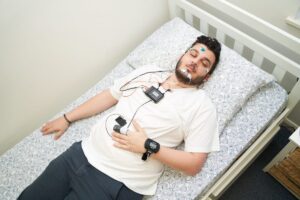
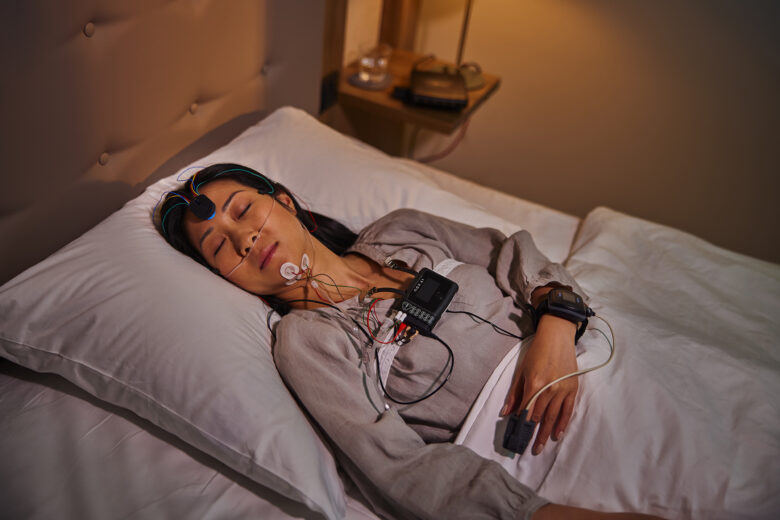
A sleep apnea test records your breathing during sleep. It tracks airflow, breathing effort, oxygen levels and, in an in-lab study, brain activity and movement. The goal is to count breathing events per hour and measure how often your oxygen drops. Those numbers classify obstructive Sleep Apnea Test Australia as mild, moderate or severe.
The healthdirect guide to obstructive sleep apnoea explains that a doctor may order an overnight sleep study when symptoms such as snoring, pauses in breathing and daytime sleepiness are present.
Symptoms that prompt testing
The most common triggers are loud snoring, witnessed breathing pauses, gasping or choking at night, waking unrefreshed, morning headaches and excessive daytime sleepiness. High blood pressure that is hard to control can also prompt a test. Your GP will usually start with a conversation and a sleepiness questionnaire before deciding on referral.
In-lab or home testing
In-lab studies are the most comprehensive and suit complex cases. Home tests are convenient and suit many adults with a high likelihood of obstructive sleep apnoea. Your clinician chooses the format based on your symptoms, medical history and any other conditions you have.
A Flinders University review of diagnostic modalities describes how home testing is now standard in many clinical sleep centres, while emphasising that patient selection matters.
Referral and Medicare
In Australia, your GP is often the first step. Depending on the test and the provider, a specialist referral may be needed for Medicare to cover the service. Clinics should tell you what referral they require before you book.
Bulk billing is available for some eligible services, but not all providers offer it, so check directly.
Costs to expect
Costs depend on the format, the provider and whether you pay a gap. Home tests tend to cost less than in-lab studies. Always ask for an itemised quote that includes scoring, the report and any follow-up consultation. Budget for possible travel costs too.
What happens after diagnosis
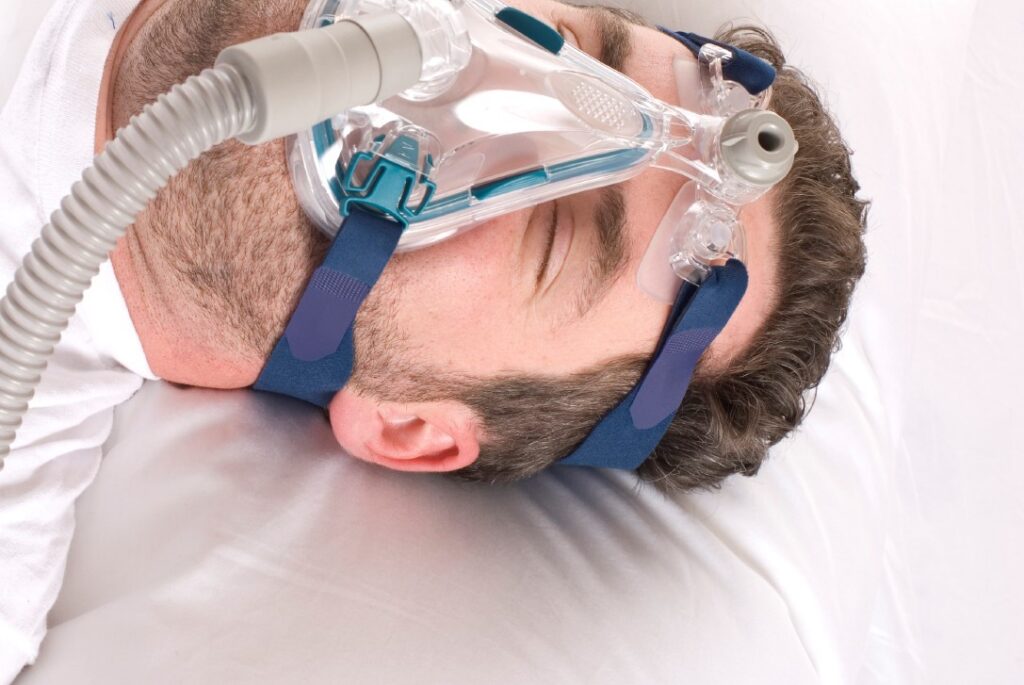
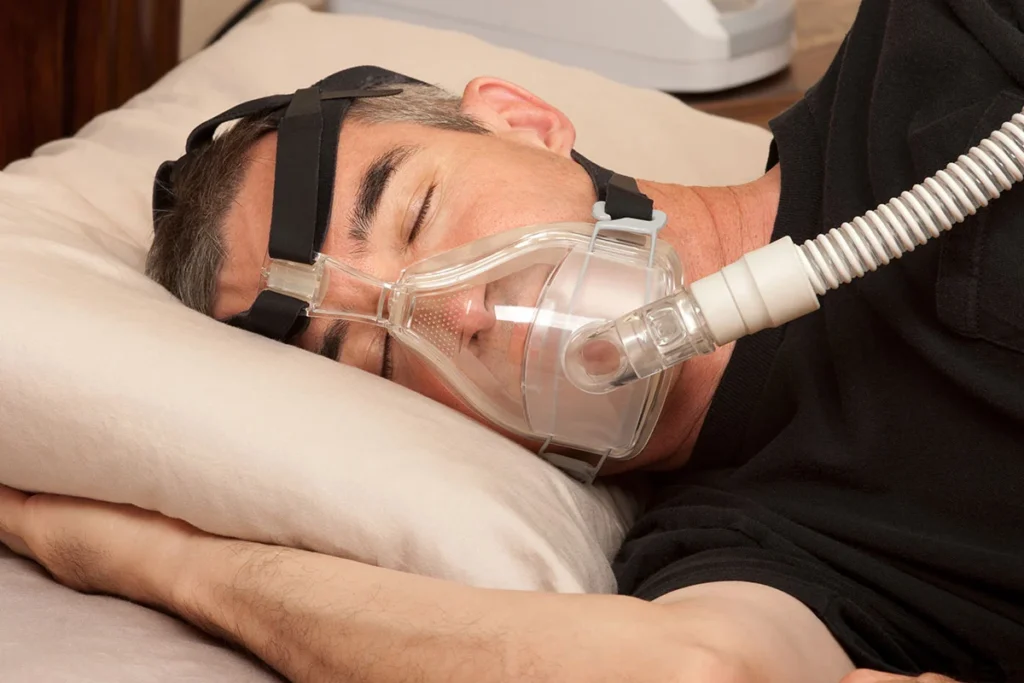
If the test confirms sleep apnoea, treatment usually includes CPAP therapy for moderate to severe cases, oral appliances for some patients and lifestyle changes such as weight management, reducing alcohol before bed and stopping smoking. Surgery is an option in certain situations. Your doctor will discuss the best plan based on your results.
Why accurate testing matters
Untreated sleep apnoea increases the risk of high blood pressure, heart problems, stroke, diabetes and accidents while driving or working. A test is not about labels. It is about getting a clear answer so treatment can start.
Practical tips for Sydney patients
Choose a provider with clear pricing, accreditation and a reporting timeline. Ask whether results go to your GP.
If you are in Sydney, pick a location that minimises travel on test night and for your results appointment. Consider whether a home test could save you time while still being clinically appropriate.
Why location matters less than you think
When you search for a sleep apnea test near me, it feels like proximity should decide everything. In reality, the test itself is standardised, and the main differences are wait times, reporting speed and follow-up. A clinic ten minutes away with a six-week wait and slow reports may serve you worse than a clinic thirty minutes away with fast results. Look at the whole experience, not just the map pin.
Questions for a Sydney provider
Ask how many tests they perform each week, who reads the results and how long a typical report takes. Ask whether they offer both in-lab and home options, and whether they can coordinate with your GP. Good providers answer these questions quickly. If you get vague responses, treat that as information.
Checking reviews the smart way
Online reviews can help, but read them with care. Look for comments about communication, report turnaround and how staff handled concerns. A single angry review is less useful than a pattern of similar complaints. Also check whether the provider responds professionally to negative feedback, because that shows how they treat patients when something goes wrong.
Local follow-up is the real advantage
Most people need more than one appointment after a diagnosis. You may need a CPAP fitting, a mask change or a repeat study to check treatment. A clinic that is close to home or work makes these visits far easier to keep.
Missed follow-up is one of the main reasons people stop treatment early, so proximity has real clinical value after the test.
The takeaway
A sleep apnea test in Australia is a practical, well-supported route to a diagnosis. Start with your GP, confirm the referral and format, compare costs properly, and plan follow-up before you book. Clarity now saves months of guessing later.