Most people do not book a sleep test because they feel great. They book one because someone close to them is tired of listening to them snore, or because they nearly fell asleep at the wheel on the M4. If that sounds familiar, you are in the right place. A sleep test is a practical step that can explain symptoms you may have been living with for years.
The symptoms that deserve attention
Loud, persistent snoring is the most common red flag. Snoring alone does not prove you have a disorder, but when it comes with pauses in breathing, choking or gasping, it is worth investigating. Partners often notice these things before you do, so ask them what they hear.
Daytime sleepiness is the second signal. If you doze off during meetings, while reading, or in traffic, that is not normal, even if you think you are sleeping seven hours. Morning headaches, dry mouth, irritability, memory problems and difficulty concentrating also show up often.
Why it matters beyond feeling tired
Untreated Sleep Test Sydney does more than drain your energy. The healthdirect page on obstructive sleep apnoea lists high blood pressure, heart problems, stroke, diabetes and an increased risk of car and workplace accidents among the complications. Those risks are a big reason doctors take persistent symptoms seriously.
For Sydney drivers and shift workers, the safety angle is particularly relevant. A test that confirms or rules out a problem is a cheap insurance policy against a much bigger one.

What a sleep test involves
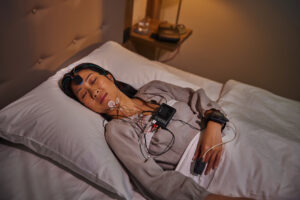
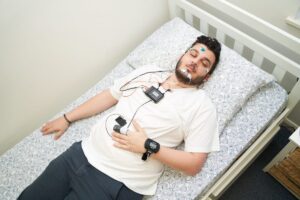
The test is usually an overnight recording of breathing, oxygen levels, heart rhythm and, in an in-lab study, brain activity and leg movement. Some people go to a sleep clinic. Others are suitable for a home test, where they wear a small device at home. Your doctor decides which format fits, based on your symptoms and health history.
You do not need to prepare anything unusual. Keep your usual routine, avoid caffeine that day, and bring any medications and existing equipment with you.
Who should talk to a GP first
You should book a GP appointment before anything else if you have any of the following: loud snoring with witnessed pauses, excessive daytime sleepiness, high blood pressure that is hard to control, a large neck size, or weight gain with worsening sleep. Your GP will assess you, possibly use a sleepiness questionnaire, and then decide whether a referral is needed.
Bring a short list of symptoms, notes on when they happen, and questions about cost and waiting times. Those details make the referral faster and more accurate.
Costs and referral options in Sydney
Costs depend on whether you choose a public or private service, whether your test is in-lab or home-based, and whether Medicare rebates apply. Ask the provider for a written estimate. Some practices bulk bill eligible patients. Others charge a gap, so compare before committing.
Avoid the common mistake
Many people wait years because they assume they are simply a noisy sleeper or a naturally tired person. Others try to fix the problem with new pillows or sleeping pills without testing. Those approaches can mask the issue. A proper sleep test gives you a number and a plan instead of guesswork.
How to tell if your sleepiness is a problem
Feeling tired after a long week is normal. Feeling tired after a full night’s sleep is a different story. A useful check is to ask yourself whether you doze off in situations where you should be alert, such as during a meeting, a film or while sitting in traffic. If that happens more than once a month, it is worth raising with your GP. Your doctor may use a short questionnaire to measure how sleepy you feel during the day, which helps decide whether a sleep test is needed.
Why partners notice first
Many people with breathing problems during sleep never realise they stop breathing. A partner or housemate is often the first to notice loud snoring, gasping or long silent gaps. If someone has mentioned these things, write them down with rough dates and times. That record can make your GP appointment far more productive and gives the sleep team useful information before the test even starts.
Driving and workplace safety
Sleepiness is not just uncomfortable. It can be dangerous. People with untreated sleep apnoea have a higher risk of falling asleep at the wheel, which matters on Sydney’s motorways and late-night commutes. Shift workers face similar risks on long shifts. If you have had a near miss, or your job involves driving or heavy machinery, mention it to your doctor. That detail can move your test up the priority list.

Treatment is the goal
A sleep test is a step, not the finish line. The point is to find out whether a breathing problem is causing your symptoms and then to treat it. Treatment options include CPAP, oral appliances, weight management and changes to sleep position or alcohol use. Once you start treatment, follow-up checks help confirm that your symptoms are improving. Keep the test in perspective and focus on the plan that comes after it.
The bottom line
If your sleep is poor and your daytime life is suffering, a sleep test is a reasonable next step, not an overreaction. Talk to your GP, understand your options, and get a clear answer. Feeling better usually starts with knowing what is actually happening overnight.